“ I reached a road that ran across the line of my flight; it was full of everything: troops in good order, stragglers breaking through them, wounded lying down, dead flat on their backs, artillery horses in their traces, ambulances.So far as we were concerned, the fight was over; fresh troops had relieved us, and the rebels came no farther. It was night, and the battle soon ended on the whole line.With difficulty I found my regiment and company. We lay in the woods; the rain kept on.I have understood that the battle of Williamsburg is considered a victory for our side. ”
Battle of Williamsburg
Definition and stakes
The theme of “Battle of Williamsburg” has been addressed by authors such as James Longstreet, Francis Wilshin, John Pelham, David E. Johnston and Helen Dortch Longstreet. It is often associated with terms like Virginia, army, Washington, George and states.
Quotes about “Battle of Williamsburg”
David E. Johnston, The Story of a Confederate Boy in the Civil War
“ This battle was fought for a safe retreat for our trains and for the army, and accomplished this purpose. We had beaten the enemy in our center, and on the right wing, while a portion, two regiments, of General Early's brigade had been repulsed by General Hancock's Federal brigade. The forces engaged were, as stated by General Longstreet: Federals, 12,000; Confederates, 9,000. The casualties: Federal, 2,288; Confederate, 1,565. This engagement was called the Battle of Williamsburg, and will be remembered by the survivors whose eyes may fall upon these lines. ”
 Bill Nye,
Comic History of the United States
Bill Nye,
Comic History of the United States
“ After a month's siege, and just as McClellan was about to shoot at the town, the garrison took its valise and went away.On the 5th of May occurred the battle of Williamsburg, between the forces under "Fighting Joe" Hooker and General Johnston. It lasted nine hours, and ended in the routing of the Confederates and their pursuit by Hooker to within seven miles of Richmond. This caused the adjournment of the Confederate Congress. ”
Related terms
Authors who wrote about “Battle of Williamsburg”
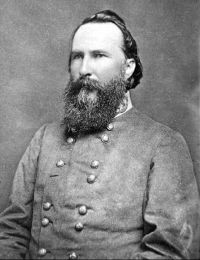 James LongstreetFrancis WilshinJohn PelhamDavid E. Johnston
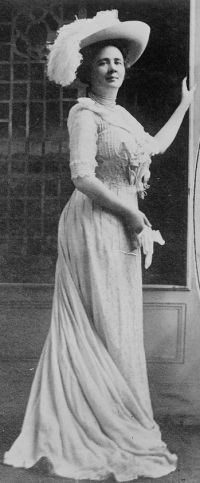 Helen Dortch LongstreetMary L. Williamson
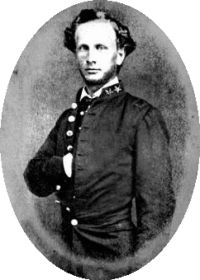 Ellison CapersB. K. BensonCharles Campbell
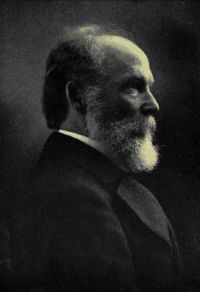 Moses Coit Tyler
 Walt WhitmanJ. B. Jones
 Ann S. Stephens
 Benson John LossingLucy Foster MadisonBill NyeVariousmarquis de Marie Joseph Paul Yves Roch Gilbert Du Motier LafayetteHenry Cabot Lodge
 Frederick Trevor Hill