Brú na Bóinne

Definition and stakes

David MacRitchie,  Fians, Fairies and Picts

“ Any one, therefore, who duly considers the matter, in relation to the statements of both of these writers, will see that the mound at New Grange is the Brugh-na-Boinne of Irish history and tradition. And this name, says Father O'Laverty, "signified 'the town, or dwelling-place, on the Boyne.'" What, then, are the earliest associations with this "town or dwelling-place?"
It is said [78] to have been built by a celebrated "king and oracle" of the people known as the Tuatha Dé, Dea, or De Danann, and to have been the residence of himself and others of his race.
”
Source: Gutenberg

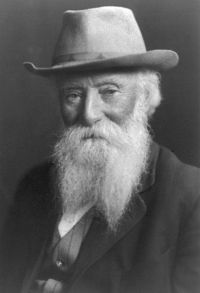
Portrait of John Burroughs John Burroughs,  Riverby

“ Civilization corrupts the streams as it corrupts the Indian; only in such remote woods can you now see a brook in all its original freshness and beauty. Only the sea and the mountain forest brook are pure; all between is contaminated more or less by the work of man. An ideal trout brook was this, now hurrying, now loitering, now deepening around a great boulder, now gliding evenly over a pavement of green-gray stone and pebbles; no sediment or stain of any kind, but white and sparkling as snow-water, and nearly as cool. ”
Source: Gutenberg

John Healy,  Insula Sanctorum et Doctorum; Or…

“ So they prepared to cross the fords of Boyne and bury the king at Brugh. But royal Boyne was loyal to its dead king; “the deep full-hearted river rose” to bar the way; and when the bearers attempted to cross the ford, the swelling flood swept them from their feet, caught up the bier, and “proudly bore away the king” on its own heaving bosom. ”
Source: Gutenberg

Get perspective with Kwize: daily news enlightened by great literature