Bundelkhand

Definition and stakes

1911 Encyclopædia Britannica (1911)

“ The people represent various races. The Bundelas—the race who gave the name to the country—still maintain their dignity as chieftains, by disdaining to cultivate the soil, although by no means conspicuous for lofty sentiments of honour or morality. An Indian proverb avers that “one native of Bundelkhand commits as much fraud as a hundred Dandis” (weighers of grain and notorious rogues) . About Datia and Jhansi the inhabitants are a stout and handsome race of men, well off and contented. The prevailing religion in Bundelkhand is Hinduism. ”

Source: Wikisource

R. V. Russell,  The Tribes and Castes of the Central Provinces of India…

“ The Bundelkhand Savars have been so long separated from the others that they have sometimes forgotten their identity and consider themselves as a subtribe of Gonds, though the better informed repudiate this. They may be regarded as a separate endogamous group. The eastern branch have two main divisions called Laria and Uriya, or those belonging to Chhattīsgarh and Sambalpur respectively. A third division known as the Kālāpithia or ‘Black Backs’ are found in Orissa, and are employed to drag the car of Jagannāth. ”
Source: Gutenberg

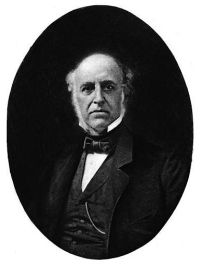
Portrait of George Bruce Malleson George Bruce Malleson,  The Indian Mutiny of 1857 (1901)

“ Colonel Mitchell might as well have spoken to the winds. He told his native officers what Sir John Hearsey at Barrackpur, and what commanding officers all over the country subsequently told theirs, but he told it in vain. There is no terror like a religious terror; and there can be no doubt that the astute fomentors of the revolt — the men of Oudh, of the North-west Provinces, and of the Bundelkhand — had so saturated the minds of the sipáhís at Barrackpur and elsewhere with a real terror, that not all the words of the most gifted men on earth would have sufficed to expel it. ”
Source: Wikisource

Get perspective with Kwize: daily news enlightened by great literature