Jumna

Definition and stakes

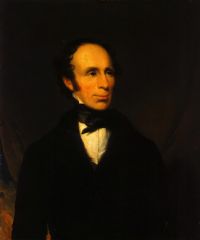
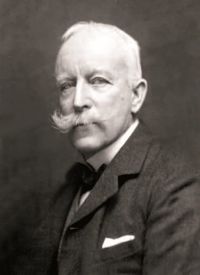
Portrait of Burton Egbert Stevenson Burton Egbert Stevenson,  The Home Book of Verse — Volume 3

“ THE HILLS Mussoorie and Chakrata Hill The Jumna flows between And from Chakrata's hills afar Mussoorie's vale is seen. The mountains sing together In cloud or sunny weather, The Jumna, through their tether, Foams white or plunges green. The mountains stand and laugh at Time, They pillar up the Earth, They watch the ages pass, they bring New centuries to birth. They feel the daybreak shiver, They see Time passing ever, As flows the Jumna River As breaks the white sea-surf. They drink the sun in a golden cup And in blue mist the rain ”
Source: Gutenberg

A. C. Burnell,  Hobson-Jobson

“ JUMNA, n.p. The name of a famous river in India which runs by Delhi and Agra. Skt. Yamunā, Hind. Jamunā and Jamnā, the Διαμούνα of Ptolemy, the Ἰωβαρής of Arrian, the Jomanes of Pliny. The spelling of Ptolemy almost exactly expresses the modern Hind. form Jamunā. The name Jamunā is also applied to what was in the 18th century, an unimportant branch of the Brahmaputra R. which connected it with the Ganges, but which has now for many years been the main channel of the former great river. ”
Source: Gutenberg

1911 Encyclopædia Britannica, Volume 15… (1911)

“ From Hamirpur, the Jumna flows nearly due E., until it enters Allahabad district and passes Allahabad city, below which it falls into the Ganges in 25° 25′ N. and 81° 55′ E. In this last part of its course it receives the waters of the Betwa and the Ken. Where the Jumna and the Ganges unite is the prayag, or place of pilgrimage, where devout Hindus resort in thousands to wash and be sanctified. ”
Source: Wikisource

Get perspective with Kwize: daily news enlightened by great literature