Numidians

Definition and stakes

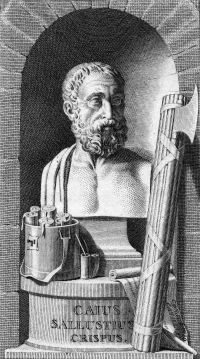
Portrait of Sallust Sallust,  The War with Jugurtha (1921)

“ The soldiers, who were kept under mild discipline [134] and at the same time enriched, extolled him to the skies, the Numidians feared him as if he were more than mortal; all, in short, friends and enemies alike, believed that he either possessed divine insight or that everything was revealed to him by the favour of the gods.
After his success at Capsa the consul proceeded to other towns. A few he took in spite of the resistance of the Numidians, but the greater number were abandoned through dread of the wretched fate of Capsa, and burned; all Numidia was filled with bloodshed and lamentation.
”
Source: Wikisource

Portrait of Charles Rollin Charles Rollin,  The Ancient History of the Egyptians…

“ All things had succeeded ill with them, their forces had been defeated by sea and land, and upwards of two hundred towns had surrendered to the conqueror. Besides, the Numidians made greater havoc in their territories than even the Romans. They expected every moment to see their capital besieged. And their affliction was increased by the concourse of peasants with their wives and children, who flocked from all parts to Carthage for safety: which gave them melancholy apprehensions of a famine in case of a siege. ”
Source: Gutenberg

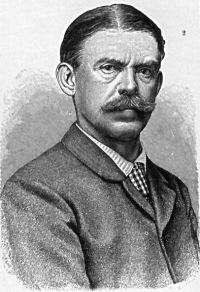
Portrait of James Anthony Froude James Anthony Froude,  Caesar: A Sketch

“ Sallust’s evidence proves no more than that their appearance was Asiatic, and that tradition assigned them an Asiatic origin. They may be called generically Arabs, who at a very ancient time had spread along the coast from Egypt to Morocco. The Numidians at this period were civilized according to the manners of the age. They had walled towns; they had considerable wealth; their lands were extensively watered and cultivated; their great men had country houses and villas, the surest sign of a settled state of society. ”
Source: Gutenberg

Get perspective with Kwize: daily news enlightened by great literature