Camp Sumter

Definition and stakes

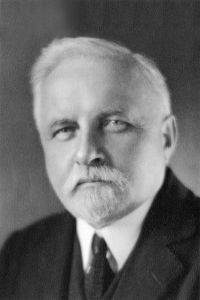
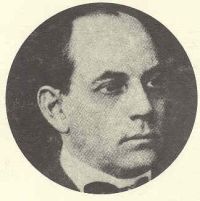
Portrait of Washington Irving Washington Irving,  The Student's Life of Washington…

“ Jealousy and distrust were awakened, and discord reigned in the camp. Partisan and volunteer troops readily fall asunder under such circumstances. Many moved off in the night. Lee, accustomed to act independently, and unwilling, perhaps, to acknowledge Sumter as his superior officer, took up his line of march for head-quarters without consulting him. Sumter still had force enough, now that he was joined by the artillery, to have held the enemy in a state of siege; but he was short of ammunition, and he apprehended the approach of Lord Rawdon, who, it was said, was moving down from Orangeburg. ”
Source: Gutenberg

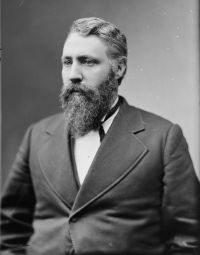
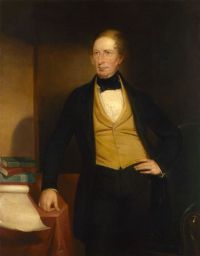
Portrait of Benson John Lossing Benson John Lossing,  The Pictorial Field-Book of the Revolution…

“ With a few survivors, and other volunteers, he crossed the Broad River, ranged the districts upon its western banks, and on the eighth of November, 1780, defeated Colonel Wemyss who had attacked his camp. He afterward defeated Tarleton at Blackstocks. Sumter was wounded, but was able to take the field early in February, 1781. While Greene was retreating before Cornwallis, Sumter, with Marion, was humbling British garrisons in the lower country. He continued in active service during the whole campaign of 1781. Ill health caused him to leave the army before the close of the war. ”
Source: Gutenberg

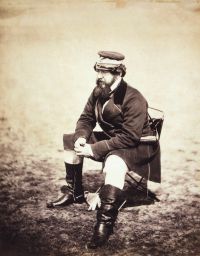
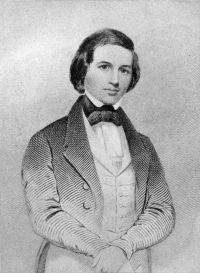
C. L. Hunter,  Sketches of Western North Carolina…

“ Major Davie reached his camp safely without the loss of a single man.
General Sumter was thoroughly convinced that the ardent patriots of which his command consisted must be kept constantly employed, and that the minds of such men are greatly influenced by dashing exploits. He, therefore, resolved to unite with Major Davie and other officers, and make a vigorous attack against the post of Hanging Rock.
”
Source: Gutenberg

Get perspective with Kwize: daily news enlightened by great literature