Catamarca

Definition and stakes

1911 Encyclopædia Britannica (1911)

“ Catamarca is connected by railways with Rioja and Patquia and with Cordoba. The city stands in a narrow, picturesque valley at the foot of the Sierra de Ambato, 1772 ft. above sea level. The valley is highly fertile, partially wooded, and produces fruit in abundance, wine and some cereals. In the city are flour mills and tanneries, and among its exports are leather, fruit, wine, flour, and a curious embroidery for which the women of Catamarca have long been famous. There is a fine church, 220 by 90 ft., and a national college occupies the old Merced convent. ”
Source: Wikisource

1911 Encyclopædia Britannica (1911)

“ Wine of an excellent quality is produced and exported. Tanning leather is another industry of the province, some of the trees growing in the Catamarca forests being rich in tannin. Catamarca is traversed by the Northern Central railway between Cordoba and the city of Catamarca, its capital, which passes around the southern extremity of the Sierra de Ancaste and makes a long detour to Chumbicha, near the Rioja frontier. ”
Source: Wikisource

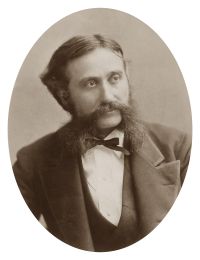
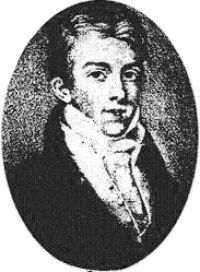
Portrait of Sir Woodbine Parish Sir Woodbine Parish,  Buenos Ayres and the Provinces of the Rio de La Plata

“ Catamarca, divided from Tucuman by the sierras of Aconquija, is one of those subordinate provinces which, like Rioja, owes its independence rather to its insignificance and secluded situation than to any pretensions which the people can have to govern themselves; properly it should be a dependency of the government of Tucuman, to which the Congress annexed it in 1814. ”
Source: Gutenberg

Get perspective with Kwize: daily news enlightened by great literature