Channel Tunnel

Definition and stakes

Thomas Whiteside,  The Tunnel Under the Channel

“ The idea of a Channel tunnel, at once abolishing seasickness and connecting England with the Continent by an easy arterial flow of goods and travelers, always has had about it a quality of grand simplicity—the simplicity of a very large extension of an easily comprehended principle; in this case, digging a hole—that has proved irresistible in appeal to generations not only of engineers but of visionaries and promoters of all kinds.
The tunnel seems always to have had a capacity to arouse in its proponents a peculiarly passionate and unquenchable enthusiasm.
”
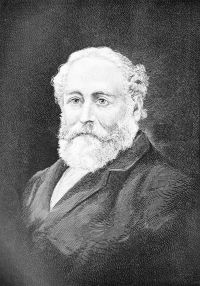
Source: Gutenberg

Horace Courtenay Gammell Forbes,  Shall we have a Channel tunnel… (1883)

“ The many and elaborate plans for defending the Tunnel and rendering it useless are themselves the best arguments against its construction. Whatever advantages or gains are to be derived from it, and these I will not discuss, they are all as nothing in comparison of the disadvantages. The Tunnel if made would be not the messenger of peace and good-will, but the harbinger and forerunner of increased military expenditure, of panics and apprehensions, of possible invasions, strife and bloodshed, and asking once more the question with which I commenced, "Shall we have a Channel Tunnel?" ”
Source: Wikisource

Thomas Whiteside,  The Tunnel Under the Channel

“ The Times wrote that, unless it was much mistaken, "the publication of the Blue Book will be found to have closed the whole question of the Channel Tunnel for a long time to come."
Undermined by land, overmined at sea, sluice-ridden at its entrance, and liable to asphyxiating vapors at intervals, the Tunnel will hardly be regarded by nervous travellers as a very pleasant alternative even to the horrors of seasickness....
The whole system of defense must forever be [85] at the mercy of blunderers, criminals, and madmen.
”
Source: Gutenberg

Get perspective with Kwize: daily news enlightened by great literature