Charente

Definition and stakes

James Westfall Thompson,  The Wars of Religion in France 1559-1576

“ The bridges over the Charente at Saintes and Cognac, being in their hands, no one could pass from Saintonge to Bordeaux where La Noue lay, “as valiant a man as any that ever was in France.” The river system of the southwest—the Charente, Ile, Dordogne, Lot, and Garonne—could have been made to bind the whole region into a compact whole if this plan had been carried out, and from behind these natural barriers the Protestants might have defied all the King’s armies. ”

Source: Gutenberg

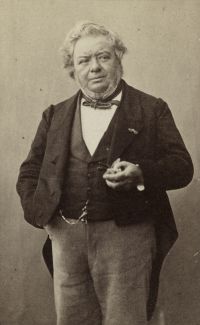
Portrait of Louisa Stuart Costello Louisa Stuart Costello,  Béarn and the Pyrenees

“ There is no want of variety; for heights, crowned with towers and turrets and woods and meadows, succeed each other rapidly, offering [252] pleasing points of view, and reviving recollections of ancient story; and though the Charente by no means deserves to be compared to the Loire, ambitious as the natives of the department are that it should be considered equal in beauty and interest to that famous river; yet there is quite enough charm belonging to it to please the traveller who seeks for new scenes.
In few parts of France do the English travel so little as in this direction
”
Source: Gutenberg

1911 Encyclopædia Britannica, Volume 5… (1911)

“ Flour-mills and leather-works are numerous. There are also many minor industries subsidiary to paper-making and brandy-distilling, and Angoulême manufactures gunpowder and confectionery. Coal, salt and timber are prominent imports. Exports include paper, brandy, stone and agricultural products. The department is served chiefly by the Orlêans and Ouest-État railways, and the Charente is navigable below Angoulême. Charente is divided into the five arrondissements of Angoulême, Cognac, Ruffec, Barbezieux and Confolens (29 cantons, 426 communes) . ”
Source: Wikisource

Get perspective with Kwize: daily news enlightened by great literature