Christian ethics

Definition and stakes

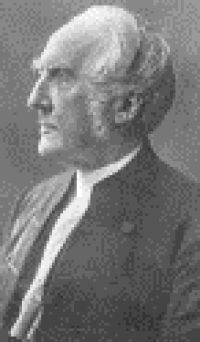
M. Valentine,  Theoretical Ethics

“ Through the Christian revelation alone the ethical conception and relation of God is truly attained, and with it a right conception of man and the highest spirit of duty.
In thus teaching that all duties should be fulfilled as something due to God, and under inspiration of love to Him, Christian ethics is not to be understood to mean that rational ethical theory is mistaken when it claims that men are to "do right because it is right." But it means to remind us where alone the absolute right is found—only in God.
”
Source: Gutenberg

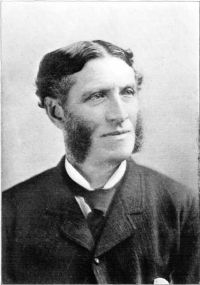
Portrait of John Stuart Mill John Stuart Mill,  On Liberty (1869)

“ I believe that other ethics than any which can be evolved from exclusively Christian sources, must exist side by side with Christian ethics to produce the moral regeneration of mankind; and that the Christian system is no exception to the rule, that in an imperfect state of the human mind, the interests of truth require a diversity of opinions. It is not necessary that in ceasing to ignore the moral truths not contained in Christianity, men should ignore any of those which it does contain. ”
Source: Wikisource

M. Valentine,  Theoretical Ethics

“ The spiritual and moral are inseparably united, and no man can judge with unhindered and reliable discrimination in matters of Christian ethics whose heart is unsympathetic or averse to the duties of the Christian life. The light shines in the darkness, but the darkness comprehends it not. Christian ethics, therefore, in formulating its ideas and completing its theoretical view rightly, draws upon the Christian consciousness, as that consciousness is scripturally determined, and interprets, not the Scriptures alone, but also, in auxiliary relation, the ethicised life of Christian humanity. ”
Source: Gutenberg

Get perspective with Kwize: daily news enlightened by great literature