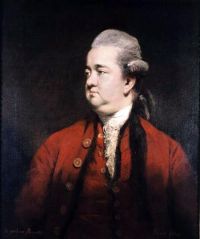
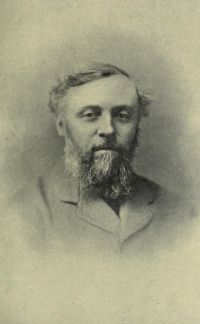
Constantine I of Greece

Definition and stakes

Various The International Magazine, Volume 2…

The convulsions which distracted the lower empire were by no means favorable to the interests of literature. In the eleventh century learning flourished for a short time during the reign of Constantine Porphyrogennetus; and this emperor is said to have employed many learned Greeks in collecting books, and forming a library, the arrangement of which he himself superintended. But the final subversion of the Eastern Empire, and the capture of Constantinople in 1453, dispersed the literati of Greece over western Europe, and placed the literary remains of that capital at the mercy of the conqueror.
Source: Gutenberg

G. F. Abbott Greece and the Allies, 1914-1922

If King Constantine is really {133} sincere, he can give a proof which will allay all doubts. Let him order a mobilization at once . . . and call in M. Venizelos to form a new Government." [24]
King Constantine, instead of treating the Cretan as a rebel, still wished to treat him as a responsible citizen, and by his moderation to give him an opportunity of a decent return to legal order. But he could not, even if he wished, call to power a man in open revolt: by so doing he would alienate the loyal majority without conciliating the disloyal minority.
Source: Gutenberg

G. F. Abbott Greece and the Allies, 1914-1922

He knew that the engagement about the delivery of arms was reciprocal, and that, as France had failed to ratify it on her part, King Constantine rightly considered himself free from all obligations on his part. He also knew that, far from being lured into landing by false assurances of surrender, he had been emphatically warned against it by categorical refusals and intimations of resistance. Yet, human nature being what it is, the honest sailor, maddened by his discomfiture, called the inevitable collision a "guet-apens" and, even whilst negotiating for release, he meditated revenge.
Source: Gutenberg

Get perspective with Kwize: daily news enlightened by great literature