Maxentius

Definition and stakes

Portrait of Voltaire Voltaire,  A Philosophical Dictionary, Volume 03

“ The senate, the people, and the prætorian bands unanimously elected Maxentius, son of the Cæsar Maximilian Hercules, who had been already Cæsar, and brother of that Fausta whom Constantine had married, and whom he afterwards caused to be suffocated. This Maxentius is called a tyrant and usurper by our historians, who are uniformly the partisans of the successful. He was the protector of the pagan religion against Constantine, who already began to declare himself for the Christians. Being both pagan and vanquished, he could not but be an abominable man. ”
Source: Gutenberg

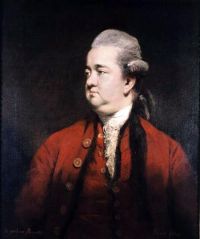
Portrait of Edward Gibbon Edward Gibbon,  History of the Decline and Fall of the Roman Empire…

“ The soldiers were the only order of men whom he appeared to respect, or studied to please. He filled Rome and Italy with armed troops, connived at their tumults, suffered them with impunity to plunder, and even to massacre, the defenceless people; and indulging them in the same licentiousness which their emperor enjoyed, Maxentius often bestowed on his military favorites the splendid villa, or the beautiful wife, of a senator. A prince of such a character, alike incapable of governing, either in peace or in war, might purchase the support, but he could never obtain the esteem, of the army. ”
Source: Gutenberg

Portrait of Edward Gibbon Edward Gibbon,  The History of the Decline and Fall of the Roman Empire

“ Maxentius considered himself as the legal sovereign of Italy, elected by the Roman senate and people; nor would he endure the control of his father, who arrogantly declared that by his name and abilities the rash youth had been established on the throne. The cause was solemnly pleaded before the Prætorian guards; and those troops, who dreaded the severity of the old emperor, espoused the party of Maxentius. 32 The life and freedom of Maximian were, however, respected, and he retired from Italy into Illyricum, affecting to lament his past conduct, and secretly contriving new mischiefs. ”
Source: Gutenberg

Get perspective with Kwize: daily news enlightened by great literature