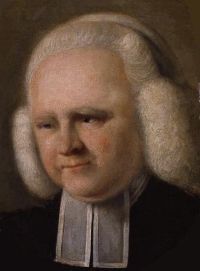
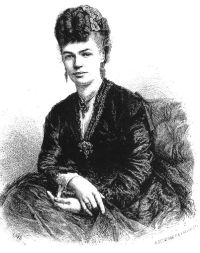
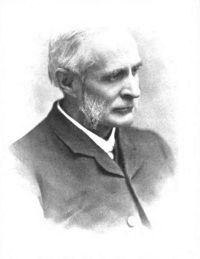
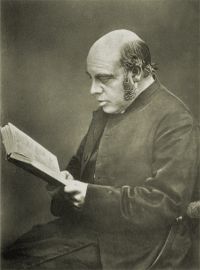
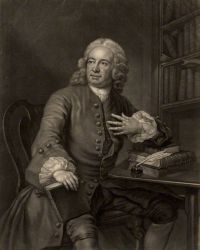
Eusebius, a pivotal figure in early Christian history, is renowned for his theological writings and historical accounts, which have shaped ecclesiastical discourse. Scholars such as Philip Schaff and Alexander Roberts and James Donaldson emphasize his role as a careful historian, while Dean Dudley and Wilhelmine von Hillern examine his spiritual challenges and ethical dilemmas.
From discussions of his chronological mistakes to depictions of his devotion and disputes, writers like George Whitefield and Various highlight his complex legacy. These viewpoints together reveal Eusebius as both a guardian of early Christian thought and a subject of continuous academic examination.