“ We shall see God face to face. It is a vision of power, of majesty, of awe unspeakable; but it is a vision also of purification, of light, of strength, of life. The blessing is won at length by that long lonely wrestling under the midnight sky. The fraud, the worldliness, the self-seeking is thrown off like a slough. All is changed. Old things have passed away. The supplanted rises from the struggle, the supplanter rises no more, but the Israel, the Prince, who has power with God and with men. Shall not Moses' prayer then be our prayer, "Lord, I beseech Thee, show me Thy glory"? ”
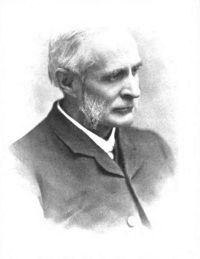
J. B. Lightfoot
Biographical details

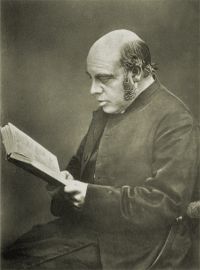
Joseph Barber Lightfoot (1828–1889), an English theologian and Bishop of Durham, was a key figure in 19th-century biblical scholarship and ecclesiastical leadership. Renowned for his thorough examination of early Christian writings, he wrote influential commentaries on Pauline letters, including Galatians (1865) and Colossians (1875), while defending the New Testament canon against skeptical critiques.
His studies on the Apostolic Fathers and revisions of the English New Testament highlighted his dedication to connecting historical research with theological application. Lightfoot’s sermons and essays, distinguished by their moral urgency and intellectual depth, reflected his dual role as scholar and church leader, blending academic precision with pastoral wisdom to influence religious thought and institutional change.
Quotes by J. B. Lightfoot
“ What becomes of our righteousness, our merit, our self-satisfaction, our self-complacency? What miserable, besmirched, filthy tatters do the very best of them seem if only for a moment the skirts of His glistening raiment have crossed the field of our vision, the glory of Him who is clothed in righteousness. Do we thank God, can we thank God now, that we are not as bad as other men are? Nay, thank Him for His opportunity, thank Him for His mercy, thank Him for His forbearing patience, but thank Him not where thanksgiving is a mere cloak of self-complacency. ”
 J. B. Lightfoot,
Essays on the work entitled "Supernatural Religion"
J. B. Lightfoot,
Essays on the work entitled "Supernatural Religion"
“ No heathen contemporary shows such a power of memory or so wide an acquaintance with the classical literature of Greece in all its branches as Clement of Alexandria. No heathen contemporary deserves to be named in the same day with Origen for patience and accuracy in textual criticism, to say nothing of other intellectual capacities, which, notwithstanding all his faults, distinguish him as the foremost writer of his age. ”