“ The marvellous bounty of God's grace dazzles and astounds our vision, and, in our perplexity of heart, the despairing, craving, forbidding, yearning cry is wrung from our lips, "Depart from me! Depart from me, O Lord, for I am a sinful man!""Depart from me, O Lord." I know it all now. I see my sin, because I see Thy goodness. Yes, I have beheld Thy holiness, Thy purity, Thy truth, Thy grace, Thy love, and I have been stunned with the contrast to self. The brightness of the light has intensified the blackness of the shade. ”
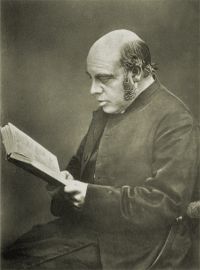
J. B. Lightfoot
Summary
J. B. Lightfoot’s Sermons is a collection of religious discourses exploring themes of divine righteousness, truth, and the transformative vision of God’s holiness, set against historical and theological contexts including Paganism, Christianity, and figures like Constantine and Julian.
Through vivid imagery and moral inquiry, Lightfoot examines humanity’s struggle with sin, the pursuit of purity, and the ultimate aim of aligning ambition with divine purpose, emphasizing that true revelation lies in confronting one’s imperfection against the “perfect light” of Christ’s sacrifice. The sermons synthesize spiritual aspiration with the urgent call to seek truth as the path to eternal redemption.
Quotes from Sermons (J. B. Lightfoot)
“ But then no veil of the flesh shall dim the vision; no imperfection of the mirror shall blur the image; for we shall see Him face to face—shall see Him as He is—the perfect truth, the perfect righteousness, the perfect purity, the perfect love, the perfect light. And we shall gaze with unblenching eye, and our visage shall be changed. Not now with transient gleams of radiance, as on the lawgiver of old, shall the light be reflected from us; but resting upon us with its own ineffable glory, the awful effluence— "Shall flood our being round, and take our lives Into itself." ”
“ What becomes of our righteousness, our merit, our self-satisfaction, our self-complacency? What miserable, besmirched, filthy tatters do the very best of them seem if only for a moment the skirts of His glistening raiment have crossed the field of our vision, the glory of Him who is clothed in righteousness. Do we thank God, can we thank God now, that we are not as bad as other men are? Nay, thank Him for His opportunity, thank Him for His mercy, thank Him for His forbearing patience, but thank Him not where thanksgiving is a mere cloak of self-complacency. ”
