Copán

Definition and stakes

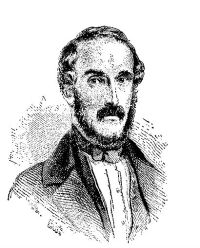
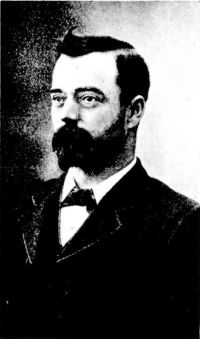
Portrait of Adolph Francis Alphonse Bandelier Adolph Francis Alphonse Bandelier,  Notes on the Bibliography of Yucatan and Central America

“ In regard to the ruins of Copán,—Fuentes is perhaps (because a number of the last enumerated authors I have not seen) the only one who mentions its ruins, and even gives an enthusiastic description of them,—but Torquemada as well as Herrera relates the tradition of Comizahual, which also relates to Copán. The latter place is, besides, commonly regarded as belonging properly to Honduras, and only of late has been added to Guatemala. I add the following, although they are of scarcely any value for the purpose in view:
José Monroy.
”
Source: Gutenberg

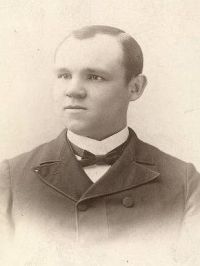
Portrait of John T. Short John T. Short,  The North Americans of Antiquity (1879)

“ The ancient city known as Copan, on the eastern bank of a river of the same name, in latitude 14° 45 ́ and longitude 90° 52 ́ in Honduras, and four leagues from the Guatemala line, is interesting in furnishing material for study in this department. It is probably the most ancient city on the continent. Copan no doubt could successfully contend with Palenque for the palm of antiquity. It is again to the indefatigable Stephens and the skillful Catherwood that we are most indebted for our knowledge of these ruins. ”
Source: Gutenberg

Channing Arnold,  The American Egypt: A Record of Travel in Yucatan

“ It runs: "On the road to the city of San Pedro, in the first town within the province of Honduras, called Copan, are certain ruins and vestiges of a great population and of superb edifices of splendour as it would appear they never could have been built by the natives of that province." From this it would seem that not a building was intact at Copan in the sixteenth century. Today the remains are crumbling heaps of pyramids and terraces overgrown by luxuriant vegetation. ”
Source: Gutenberg

Get perspective with Kwize: daily news enlightened by great literature