Chichén Itzá

Definition and stakes

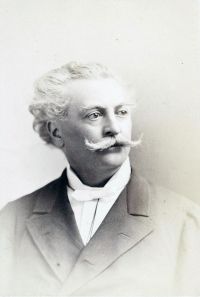
Stephen Salisbury,  The Mayas, the Sources of Their History

“ So at the time of the arrival of the Spaniards the monuments of Chichen-Itza were in ruins and were looked upon with awe, wonder and respect, by the inhabitants of the country, when the city of Uxmal was thickly peopled. There cannot be any reasonable doubt that the Nahuas, the invaders and destroyers of the Itza metropolis, introduced the phallic worship into Yucatan. The monuments of Uxmal do not date from so remote an antiquity as those of Chichen, notwithstanding that Uxmal was a large city when Chichen was at the height of its glory. ”
Source: Gutenberg

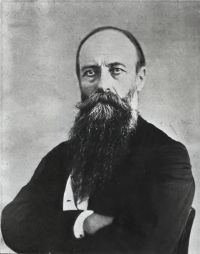
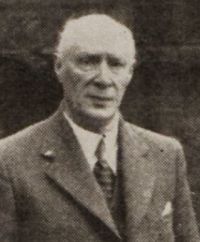
Portrait of Lewis Spence Lewis Spence,  The Myths of Mexico & Peru

“ Thus the city of Chichen-Itza was linked up with the island of Cozumel by a highway whereon thousands of pilgrims plodded to the temples of the gods of wind and moisture. From Itzamal, too, roads branched in every direction, in order that the people should have every facility for reaching the chief shrine of the country situated there. But the hand of the Cocomes was heavy upon the other Maya states which were tributary to them. As in the Yucatan of to-day, where the wretched henequen-picker leads the life of a veritable slave, a crushing system of helotage obtained. ”
Source: Gutenberg

Thomas A. Joyce,  Mexican archaeology

“ The fact that they are stated to have heard of Chichen Itza while they were at Balcalar seems to prove that some settlement already existed at the former place, and one version of the tradition represents them as setting out in search of it. For over a century they resided at Chichen Itza, and then removed to Champoton, probably owing to difficulties with their neighbours, since it is stated that Chichen was “destroyed.” Their stay at Champoton is estimated at about two centuries and a half, at the end of which period they wandered back to Chichen Itza and again established themselves there. ”
Source: Gutenberg

Get perspective with Kwize: daily news enlightened by great literature