Corineus

Definition and stakes

Geoffrey of Monmouth, translated by J. A. GilesBook 1,  Six Old English Chronicles — British History (1848)

“ At last an assault being made, a bloody fight ensued; in which after a great part of the day had been spent, Corineus was ashamed to see the Aquitanians so bravely stand their ground, and the Trojans maintaining the fight without victory. He therefore takes fresh courage, and drawing off his men to the right wing, breaks in upon the very thickest of the enemies, where he made such slaughter on every side, that at last he broke the line and put them all to flight. ”
Source: Wikisource

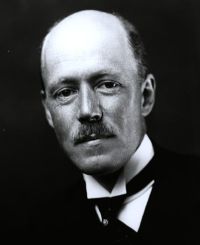
Portrait of Ebenezer Cobham Brewer Ebenezer Cobham Brewer,  Character Sketches of Romance, Fiction and the Drama…

“ John Fletcher, The Faithful Shepherdess, i. 1, (1610) .
Cor'in, Corin'eus (3 syl.) , or Corine'us (4 syl.) "strongest of mortal men," and one of the suite of Brute (the first mythical king of Britain.) (See CORINEUS.)
From Corin came it first? [i.e., the Cornish hug in wrestling] .
M. Drayton, Polyolbion, i. (1612) .
Corineus (3 syl) . Southey throws the accent on the first syllable, and Spenser on the second.
”
Source: Gutenberg

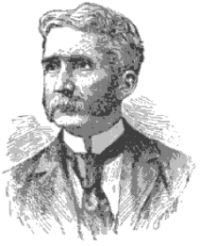
Portrait of J. A. Giles J. A. Giles,  Six Old English Chronicles (1848)

“ III.—Corineus resents the affront put upon his daughter.
He went, therefore, to the king, and wielding a battle-axe in his right hand, vented his rage against him in these words: "Do you thus reward me, Locrin, for the many wounds which I have suffered under your father's command in his wars with strange nations, that you must slight my daughter, and debase yourself to marry a barbarian? While there is strength in this right hand, that has been destructive to so many giants upon the Tyrrhenian coasts, I will never put up with this affront."
”
Source: Wikisource

Get perspective with Kwize: daily news enlightened by great literature