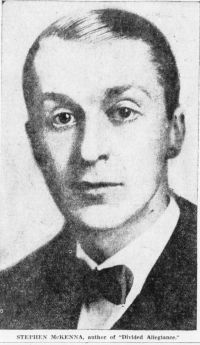
Count Alexei Vronsky

Definition and stakes

Ernest Dupuy,  The great masters of Russian literature in the nineteenth century (1886)

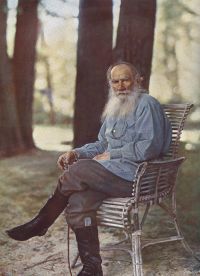
“ As in “War and Peace,” all the chief personages will have some of his characteristics, and Vronsky and Konstantin Levin, in turn, represent him in some peculiar aspect, in the same way as Nikolaï Rostof, Prince Andréi, and Count Pierre. Thus, in the discourse where Count Vronsky proposes a re-organization of his landed property, and claims that it must be based on the agreement between the muzhik and his former lord, Count Tolstoï propounds a theory which he long held, but which he has since gone beyond; for, as we shall soon see, he has reached Communism. ”
Source: Gutenberg

graf Leo Tolstoy,  Anna Karenina

“ And not without inward pride, and not without reason, he thought that any other man would long ago have been in difficulties, would have been forced to some dishonorable course, if he had found himself in such a difficult position. But Vronsky felt that now especially it was essential for him to clear up and define his position if he were to avoid getting into difficulties. ”
Source: Gutenberg

graf Leo Tolstoy,  Anna Karenina

“ The young man asked him for a light, and entered into conversation with him, and even pushed against him, to make him feel that he was not a thing, but a person. But Vronsky gazed at him exactly as he did at the lamp, and the young man made a wry face, feeling that he was losing his self-possession under the oppression of this refusal to recognize him as a person.
Vronsky saw nothing and no one. He felt himself a king, not because he believed that he had made an impression on Anna—he did not yet believe that,—but because the impression she had made on him gave him happiness and pride.
”
Source: Gutenberg

Get perspective with Kwize: daily news enlightened by great literature