De Catinat

Definition and stakes

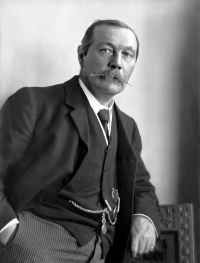
Portrait of Arthur Conan Doyle Arthur Conan Doyle,  The Refugees

“ And at the cry and at the sight of that fair pale face, De Catinat, looking down from the window, was stricken as though by a dagger; for there, standing beside the headsman's block, was she who had been the most powerful, as well as the wittiest and the fairest, of the women of France—none other than Francoise de Montespan, so lately the favourite of the king. ”
Source: Gutenberg

Portrait of Arthur Conan Doyle Arthur Conan Doyle,  The Refugees — Chapter XXIII (1893)

“ De Catinat had taken a step forward with his hand outstretched. His ardent, impetuous nature had suddenly broken down all the barriers of caution, and he seemed for the instant to see that countless throng of men, women, and children of his own faith, all unable to say a word for themselves, and all looking to him as their champion and spokesman. He had thought little of such matters when all was well, but now, when danger threatened, the deeper side of his nature was moved, and he felt how light a thing is life and fortune when weighed against a great abiding cause and principle. ”
Source: Wikisource

Portrait of Arthur Conan Doyle Arthur Conan Doyle,  The Refugees

“ Very grim and dark those meditations were in the case of De Catinat. A stroke of good luck had made him at court, and now this other of ill fortune had destroyed him. It would be in vain that he should plead his own powerlessness. He knew his royal master well. He was a man who was munificent when his orders were obeyed, and inexorable when they miscarried. No excuse availed with him. An unlucky man was as abhorrent to him as a negligent one. In this great crisis the king had trusted him with an all-important message, and that message had not been delivered. ”
Source: Gutenberg

Get perspective with Kwize: daily news enlightened by great literature