Dio Cassius

Definition and stakes

1911 Encyclopædia Britannica, Volume 8… (1911)

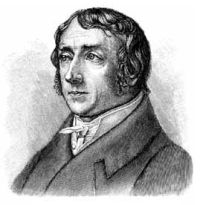
“ DIO CASSIUS (more correctly Cassius Dio) , Cocceianus (c. A.D. 150–235) , Roman historian, was born at Nicaea in Bithynia. His father was Cassius Apronianus, governor of Dalmatia and Cilicia under Marcus Aurelius, and on his mother’s side he was the grandson of Dio Chrysostom, who had assumed the surname of Cocceianus in honour of his patron the emperor Cocceius Nerva. After his father’s death, Dio Cassius left Cilicia for Rome (180) and became a member of the senate. During the reign of Commodus, Dio practised as an advocate at the Roman bar, and held the offices of aedile and quaestor. ”
Source: Wikisource

Cassius Dio Cocceianus,  Dio's Rome, Volume 5

“ An eagle is not formidable at the head of an army of daws, nor a lion commanding fawns; and it was not Cassius, but you, that brought to an end the Arabian or the famous Parthian War. Again, even though he is renowned as a result of his achievements against the Parthians, yet you have Verus, who has won more victories than he and has acquired more territory in a not less, but more distinguished manner.--But probably he has already changed his mind, on hearing that I am alive, for surely he has done this on no other assumption than that I was dead. ”
Source: Gutenberg

1911 Encyclopædia Britannica, Volume 8… (1911)

“ He was raised a second time to the consulship by Alexander Severus, in 229; but on the plea of ill health soon afterwards retired to Nicaea, where he died. Before writing his history of Rome (Ῥωμαικά or Ῥωμαικὴ Ἱστορία) , Dio Cassius had dedicated to the emperor Severus an account of various dreams and prodigies which had presaged his elevation to the throne (perhaps the Ἐνόδια attributed to Dio by Suidas) , and had also written a biography of his fellow-countryman Arrian. ”
Source: Wikisource

Get perspective with Kwize: daily news enlightened by great literature