Duke of Chartres

Definition and stakes

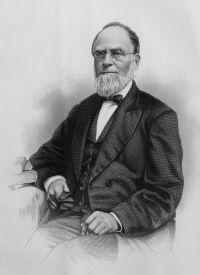
Portrait of John S. C. Abbott John S. C. Abbott,  Louis Philippe

“ The Duke of Chartres has greatly improved in disposition during the past year. He was born with good inclinations, and has now become intelligent and virtuous. Possessing none of the frivolities of the age, he disdains the puerilities which occupy the thoughts of so many young men of rank—such as fashions, dress, trinkets, follies of all kinds, and a desire for novelties. He has no passion for money, is disinterested, despises glare, and is, consequently, truly noble. ”
Source: Gutenberg

Portrait of John S. C. Abbott John S. C. Abbott,  Louis Philippe

“ The Duke of Chartres, who very fully comprehended the peril in which his father's family was involved, urged him to avail himself of the decree of banishment, which opened an honorable avenue of escape for him, and all his family, from France.
"You will assuredly," said he to his father, "find yourself in an appalling situation. Louis XVI. is about to be accused before an assembly of which you are a member. You must sit before the king as his judge.
”
Source: Gutenberg

Portrait of John S. C. Abbott John S. C. Abbott,  Louis Philippe

“ His father died in the year 1785, just as the storms of the French Revolution were beginning to darken the horizon. The Duke of Chartres then took the title of the Duke of Orleans, and rushed into the tumult of revolution with eagerness and energy, which caused his name to resound through all Europe, and which finally brought his neck beneath the slide of the guillotine.
Democracy of the Duke of Orleans.
”
Source: Gutenberg

Get perspective with Kwize: daily news enlightened by great literature