Empress Maria Theresa of Austria

Definition and stakes

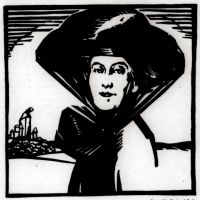
Portrait of L. Adams Beck L. Adams Beck The Divine Lady: A Romance of Nelson and Emma Hamilton

Ignorant of any public opinion but the Neapolitan, which took such arrangements as a matter of course, and confident in the Queen’s support, it never occurred to her that Royal approval might not carry the same face value all over the world as it did in Naples and Palermo. Her Queen was daughter to the greatest empress of history, Maria Theresa; her Queen’s daughter was herself Empress of Austria—no statelier lineage in all the world. What woman would not be safe who could call herself the adored friend of such a sovereign?
Source: Gutenberg

W. O. von Horn Maria Theresa

Maria Theresa, Archduchess of Austria, Queen of Hungary and Bohemia, and Empress of Germany, was the daughter of Charles VI of Austria and Elizabeth Christina of Brunswick-Wolfenbüttel. After the death of Archduke Leopold, her only brother, she became sole heiress of the Austrian dominions in 1724, married Francis Stephen of Lorraine in 1736, came to the throne in 1740, her husband being declared co-regent. She died in 1780. Of her sixteen children, ten reached maturity. Her sons were Joseph II, who succeeded his father as Holy Roman Emperor in 1765
Source: Gutenberg

W. O. von Horn Maria Theresa

Then for the first time he realized the wisdom of his father’s counsel, and refused to listen any longer to those who advised him to continue the struggle. He sued for peace, which was concluded on April 22, 1745, at Füssen. Austria restored all his conquered territory to him, while he renounced his claims to the succession, acknowledged Maria Theresa’s rights under the Pragmatic Sanction, and promised her husband his vote at the imperial election. The Empress’ heart beat high with joy, for this broke the alliance known as the “Frankfort Union,” and Frederick II now stood alone.
Source: Gutenberg

Get perspective with Kwize: daily news enlightened by great literature