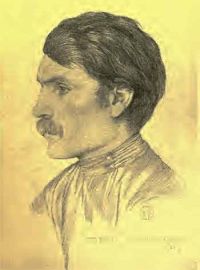
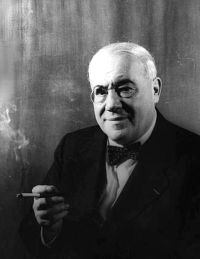
Budapest, the capital and largest city of Hungary, stands as a vibrant metropolis at the confluence of Europe’s cultural and historical currents. Nestled along the Danube, it unites ancient Roman heritage with Austro-Hungarian grandeur and contemporary energy. Authors such as Israel Zangwill noted its paradoxical blend of Western modernity—electric railways and telephonic newspapers—with Eastern charm, while Arthur Ruhl celebrated its vivid, unconventional populace.
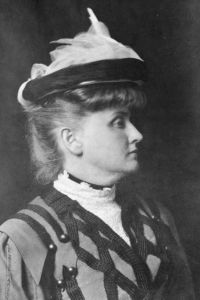
Agnes Greene Foster evoked its architectural magnificence, from Moorish facades to Romanesque sculptures, and Walter Jerrold captured its charm as a city where strangers feel at home. These varied perspectives underscore Budapest’s unique identity: a global hub where history, innovation, and cultural intersections converge, reflecting its status as both a European capital and a symbol of resilience.
 Israel Zangwill,
Without Prejudice
Israel Zangwill,
Without Prejudice