Epsom Derby

Definition and stakes

Henry James,  Portraits of places (1883)

“ A dozen furiously revolving arms—pink, green, orange, scarlet, white—whacking the flanks of as many straining steeds; a glimpse of this, and the spectacle is over. The spectacle, however, is of course an infinitesimally small part of the purpose of Epsom and the interest of the Derby. The interest is in having money in the affair, and doubtless those most interested do not trouble themselves particularly to watch the race. They learn soon enough whether they are, in the English phrase, to the good or to the bad. ”
Source: Gutenberg

N. D'Anvers,  The Skirts of the Great City

“ Bartholomew's Day; and the information is added that any horse may run for the said plate that shall be at Carshalton and certain other places specified, fourteen days before the Plate Day. Before many years of the eighteenth century had passed by Epsom had become practically the capital of the racing world, but the famous Derby and Oak Stakes were not instituted until 1779 and 1780. Both were founded by the then Earl of Derby, and were named, the former after him, the latter after his seat at Woodmansterne, a picturesque little village on the highest point of the Banstead Downs. ”
Source: Gutenberg

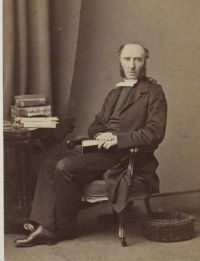
Portrait of Andrew Kennedy Hutchison Boyd Andrew Kennedy Hutchison Boyd,  The Recreations of a Country Parson

“ But not merely do screws daily draw cabs and stage-coaches: screws have won the Derby and the St. Leger. A noble-looking thorough-bred has galloped by the winning-post at Epsom at the rate of forty miles an hour, with a white bandage tightly tied round one of its fore-legs: and thus publicly confessing its unsoundness, and testifying to its trainer's fears, it has beaten a score of steeds which were not screws, and borne off from them the blue ribbon of the turf. ”
Source: Gutenberg

Get perspective with Kwize: daily news enlightened by great literature