Fort Orange

Definition and stakes

Nathaniel C. Hale,  Pelts and palisades: The story of fur and the rivalry for pelts in early America (1959)

“ Fort Orange, about which the patroon had established his domain, was the official post of the Dutch West India Company, the emporium where their traders traditionally bartered for beaver with the Iroquois. After Rensselaerwyck was established Fort Orange continued to be the commercial center of this profitable trade, so much so that the flourishing little trading village which sprang up there under the very cannon of the fort, and which was to grow into the strategically important city of Albany, was originally christened Beverwyck. ”
Source: Gutenberg

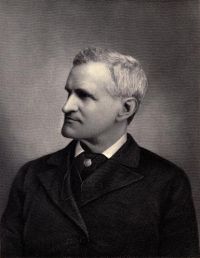
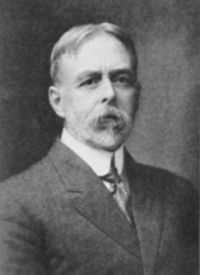
Portrait of Albert Perry Brigham Albert Perry Brigham,  From trail to railway through the Appalachians (1907)

“ They were often eloquent orators and always fierce fighters. Among the surrounding tribes they were greatly feared. They sailed on lake Ontario and lake Erie in their birch-bark canoes, and they followed the trails far eastward down the Mohawk valley. Before the white men came these fierce warriors occasionally invaded New England, to the terror of the weaker tribes. Sometimes they followed up their conquests by exacting a tribute of wampum. After Fort Orange was founded they went there with their packs of beaver skins and other furs to trade for clothes and trinkets. ”
Source: Gutenberg

J. N. Larned,  History for ready reference, Volumes 1 to 5 (1895)

“ That year, "about eighteen families settled themselves at Fort Orange, under Adriaen Joris, who 'staid with them all winter,' after sending his ship home to Holland in charge of his son. As soon as the colonists had built themselves 'some huts of bark' around the fort, the Mahikanders or River Indians [Mohegans] , the Mohawks, the Oneidas, the Onondagas, the Cayugas, and the Senecas, with the Mahawawa or Ottawawa Indians, 'came and made covenants of friendship ... ”
Source: Gutenberg

Get perspective with Kwize: daily news enlightened by great literature