Dutch West India Company

Definition and stakes

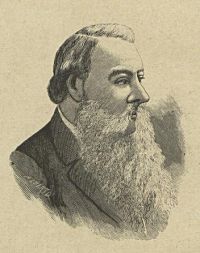
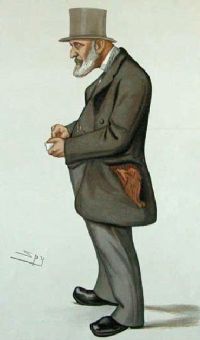
Frank Chamberlain,  Hudson Tercentenary

“ The Dutch West India Company, modeled after the Dutch East India Company, having powerful fleets, sailing along the coasts of South America and the West Indies, preying on the Spanish commerce, capturing their vessels and cargoes and amassing wealth thereby, sought to induce men of wealth, daring, and ambition to relieve them of the undertaking of settling and developing the New Netherlands, which, instead of a source of revenue, had become a burden. ”
Source: Gutenberg

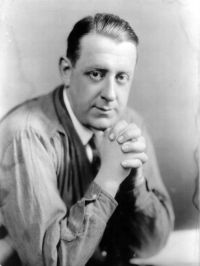
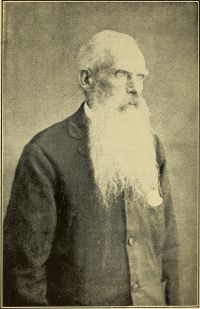
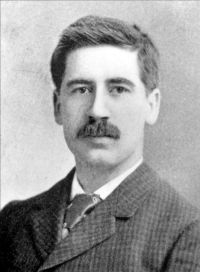
Portrait of Edward Potts Cheyney Edward Potts Cheyney,  The American Nation: A History…

“ The government of the Dutch West India Company was very complicated, reflecting the political arrangements of the Netherlands and the jealousies of a merchant aristocracy distributed in provinces and cities. There was a governor-in-chief of the company's colonial possessions, but his powers were dependent on a general board of nineteen directors, who were the supreme authority in the regulation of the company's affairs. Below this central body were five territorial chambers, with a combined membership of seventy-eight. ”
Source: Gutenberg

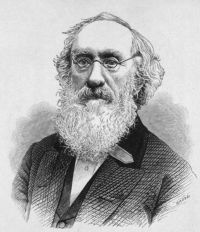
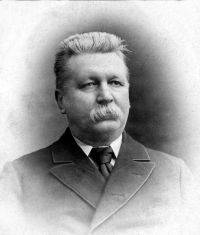
Portrait of Mary Howitt Mary Howitt,  A popular history of the United States of America… (1860)

“ The Dutch were traders, and nothing short of trade could make them move. As yet their American settlements had been formed under the auspices of the Dutch East India Company; but in 1621 a Dutch West India Company was incorporated, which held a charter for four-and-twenty years, conferring upon it the exclusive privilege of trafficking and planting colonies “from the straits of Magellan to the remotest north.” There was here scope wide enough to satisfy the most enterprising adventurers. ”
Source: Gutenberg

Get perspective with Kwize: daily news enlightened by great literature