Francisco I. Madero

Definition and stakes

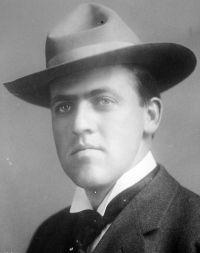
Portrait of John Kenneth Turner John Kenneth Turner,  Barbarous Mexico (1910)

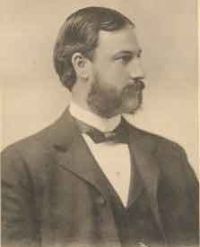
“ In Francisco I. Madero, the party found its new leader. Madero was a distinguished citizen of Coahuila, a member of one of the oldest and most respected families in Mexico. The Maderos had never involved themselves in Diaz politics; they were rich farmers, well educated, cultured and progressive. Madero's first notable interest in democracy was shown in his book, "La Sucesion Presidencial," which he published in 1908. It was a thoughtful but mild criticism of the Diaz regime, and in the end it urged the people to insist upon the right to engage in the elections of 1910. ”
Source: Wikisource

Nevin O. Winter,  Mexico and Her People of To-day

“ Nevertheless all the disaffected factions of the republic rallied around this family, which did the principal financing of the revolutionists. A propaganda was conducted in the United States by the Maderos, and they obtained a great deal of encouragement from the majority of the newspapers of the United States, which had recently taken a position extremely antagonistic [401] to the Diaz government. Francisco Madero established a revolutionary junta in El Paso, and large quantities of ammunition were sent across the border. ”
Source: Gutenberg

Edith O'Shaughnessy,  Diplomatic Days

“ Madero was supposed to reach Mexico City at ten o'clock, and begin his triumphal march from the station through the great thoroughfares, down the Paseo, the Avenida Juarez, the Avenida San Francisco, to the palace; but it is now 2 P.M. and he has not yet come. As the day wears on the earthquake begins to be interpreted solely as a manifestation of Divine Providence in his favor. No soldiery out. This, I am told, is to show the mob that they are trusted by their champion and savior. ”
Source: Gutenberg

Get perspective with Kwize: daily news enlightened by great literature