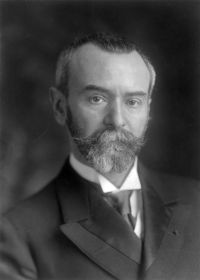
François de Gouvion Saint-Cyr

Definition and stakes

P. Austin Nuttall The Nuttall Encyclopædia

Saint-Cyr, Laurent Gouvion, Marquis de, marshal of France, born at Toul; joined the army in 1792, and in six years had risen to the command of the French forces at Rome; fought with distinction in the German and Italian campaigns, and in the Peninsular War; won his marshal's baton during the Russian campaign of 1812; was captured at the capitulation of Dresden in 1813, much to the regret of Napoleon; created a peer after the Restoration, and was for some time Minister of War
Source: Gutenberg

baron de Jean-Baptiste-Antoine-Marcelin Marbot The Memoirs of General Baron de Marbot

The departure of Saint-Cyr was regretted by the troops who, although they disliked him personally, gave him credit for his courage and his outstanding military talent. Saint-Cyr could have been a first class army commander if he had been less egoistic and if he had taken the trouble to gain the affection of officers and men by caring for their welfare. No man, however, is perfect.
Source: Gutenberg

Thomas Carlyle The French Revolution: A History

At such hour the overwatched Three Hundred are not yet stirring: none but some Clerks, a company of National Guards; and M. de Gouvion, the Major-general. Gouvion has fought in America for the cause of civil Liberty; a man of no inconsiderable heart, but deficient in head. He is, for the moment, in his back apartment; assuaging Usher Maillard, the Bastille-serjeant, who has come, as too many do, with “representations.” The assuagement is still incomplete when our Judiths arrive.
Source: Gutenberg

Get perspective with Kwize: daily news enlightened by great literature