Freetown, the capital and largest city of Sierra Leone, stands as a crucial port city on the Atlantic coast, functioning as the nation’s economic, cultural, and political center. Established in 1792 as a refuge for freed African Americans and enslaved Africans, it developed into a diverse hub embodying the convergence of Creole, Temne, and other ethnic communities. Authors such as Charles M.
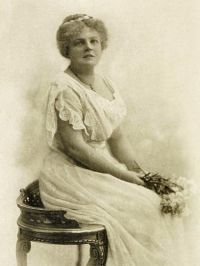
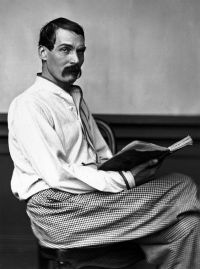
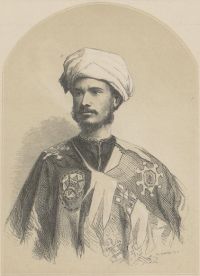
Sheldon portrayed Freetown as a city dealing with social stratification and renewal, while Richard Francis Burton described its geography and colonial structures. Mary Gaunt emphasized its cosmopolitan nature, pointing out the presence of European settlers and complex social interactions. These differing viewpoints highlight Freetown’s significance as a symbol of both endurance and multifaceted character, where history, identity, and urban life are deeply interwoven.
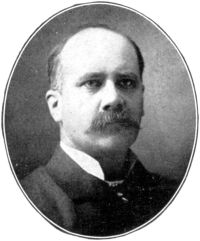 Charles M. Sheldon,
The Redemption of Freetown
Charles M. Sheldon,
The Redemption of Freetown