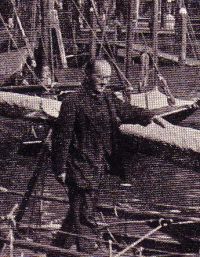
French ship L'Orient

Definition and stakes

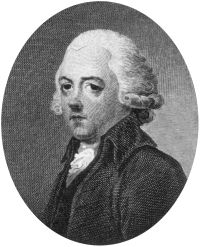
Portrait of E. Keble Chatterton E. Keble Chatterton,  Sailing ships (1909)

“ The reverse was the case with the Egyptians, who, being more of a peace-loving nature, developed their cargo ships far more, for it was not until fairly late in Egyptian history that the warship was attended to; we may even go so far as to assert that it was not until the time of the Middle Ages that the merchant ship both of the Mediterranean and the North of Europe, made any real progress. As long as civilisation was scanty and pirates were rampant on every sea, commerce was bound to remain at a standstill. ”
Source: Gutenberg

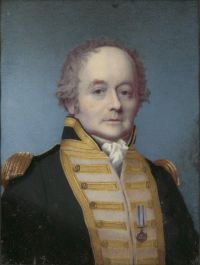
Portrait of Douglas Brooke Wheelton Sladen Douglas Brooke Wheelton Sladen,  The Admiral: A Romance of Nelson in the Year of the Nile

“ I should not have sufficient ships to await an action if the Brest fleet gets in the Mediterranean. Some of my ships are at Alexandria, some at Malta, others at Naples, Leghorn and Palermo. Alexandria ought to be off my hands; the Russian and Turkish Admiral should have been there some months ago. I ought not to need a ship east of Kandia. These Russians mean no good; I don’t trust them. They are far more anxious to seize ports in the Mediterranean for their own future use than to fight the French. ”
Source: Gutenberg

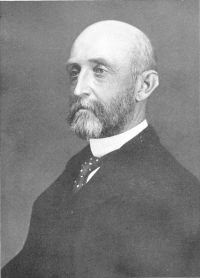
Portrait of French Ensor Chadwick French Ensor Chadwick,  Ocean Steamships

“ The passengers on these Gulf steamers are of as many types as those seen on Change in Bombay. It is not unlikely that of the twenty or more who sit down to dinner, no two will be of the same color, costume, nationality, or religion. Even the crew ceases to be European; Chinamen usually cook and wait, and Indians handle cargo and work the ship.
About 600 miles and 4 days from, Kurrachee, Ormuz is made, dirty, dilapidated, with absolutely no remains of its historic wealth. The first place of importance is Bushire, 300 miles farther up.
”
Source: Gutenberg

Get perspective with Kwize: daily news enlightened by great literature