Government of Italy

Definition and stakes

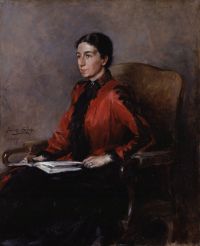
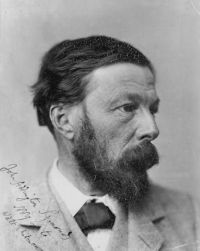
contessa Evelyn Lilian Hazeldine Carrington Martinengo-Cesaresco,  The Liberation of Italy, 1815-1870

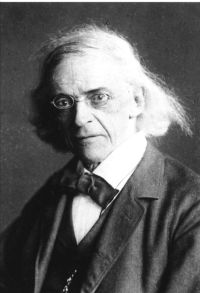
“ Italy, isolated between her natural limits, is destined to form a great and powerful nation. Italy is one nation; unity of customs, language and literature must, within a period more or less distant, unite her inhabitants under one sole government. And Rome will, without the slightest doubt, be chosen by the Italians as their capital.'
Unlike Dante and Machiavelli, who could only sow the seed, not gather the fruit, the man who wrote these lines might have made them a reality.
”
Source: Gutenberg

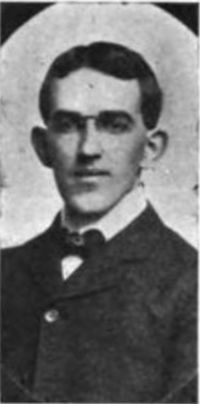
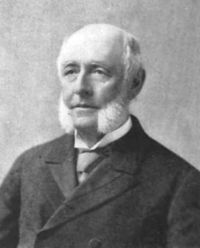
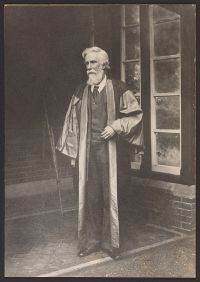
Portrait of A. V. Dicey A. V. Dicey,  England's Case Against Home Rule

“ If Italy had been forced to accept, instead of her longed-for independence, the local self-government which might be conceded to the State of an Austrian Federation, we may be quite sure that the Grist Tax, the Sicilian Banditti, the intrigues of France in Tunis, the perversity of the Pope, the poverty of Italian workmen, the factiousness of Italian politicians, every evil, in short, real or imaginary, under which Italy now suffers, or has suffered since 1870—would have been attributed to her connection with a Union presided over by the Austrian Emperor. ”
Source: Gutenberg

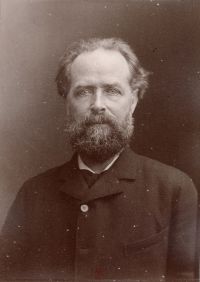
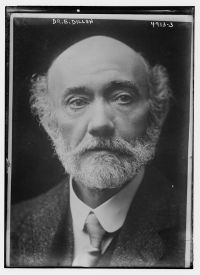
Portrait of Lajos Kossuth Lajos Kossuth,  Select Speeches of Kossuth

“ With France or against France, by the sword, at all sacrifices, without compromise, they are bent on renewing the battle over and over again, with the confidence that, even without aid, they will triumph in the long run.
The difficulty in Italy is not how to make a revolution, but how to prevent its untimely outbreak; and still even in that respect there is such a complete discipline as the world never yet has seen. In Rome, Romagna, Lombardy, Venice, Sicily, and all the middle Italy, there exists an invisible government, whose influence is everywhere discernible.
”
Source: Gutenberg

Get perspective with Kwize: daily news enlightened by great literature