Havelok the Dane

Definition and stakes

Charles W. Whistler,  Havelok the Dane: A Legend of Old Grimsby and Lincoln

“ It is strange how wonderful they seem until daylight comes. I have heard Witlaf’s gleeman say that the best lays he ever made were in his sleep; but if he remembered aught of them, they were naught.”
“It is not like that altogether with my dream,” Havelok said, “for it went thus. I thought that I was in Denmark—though how I knew it was Denmark I cannot say—and on a hill I sat, and at my feet was stretched out all the land, so that I could see all over it at once.
”
Source: Gutenberg

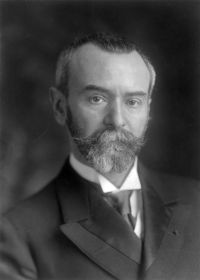
Portrait of George Saintsbury George Saintsbury,  The English Novel

“ Perhaps the oldest of all, Havelok the Dane—a story the age of which from evidence both internal and external, is so great that people have not quite gratuitously imagined a still older Danish or even Anglo-Saxon original for the French romance from which our existing one is undoubtedly taken—is one of the most spirited of all. Both hero and heroine—Havelok, who should be King of Denmark and Goldborough, who should be Queen of England—are ousted by their treacherous guardian-viceroys as infants ”
Source: Gutenberg

Charles W. Whistler,  Havelok the Dane: A Legend of Old Grimsby and Lincoln

“ Our king on the west coast of Denmark, where the story of Havelok the Dane must needs begin, was Gunnar Kirkeban—so called because, being a heathen altogether, as were we all in Denmark at that time, he had been the bane of many churches in the western isles of Scotland, and in Wales and Ireland, and made a boast thereof. However, that cruelty of his was his own bane in the end, as will be seen. Otherwise he was a well-loved king and a great warrior, tall, and stronger than any man in Denmark, as was said. His wife, the queen, was a foreigner, but the fairest of women. ”
Source: Gutenberg

Get perspective with Kwize: daily news enlightened by great literature