Helvetia

Definition and stakes

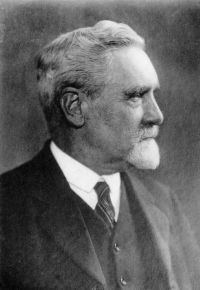
Lina Hug,  The Story of Switzerland

“ At the Celto-Roman period of which we are treating, Helvetia comprised all the territory lying between Mount Jura, Lake Geneva, and Lake Constance, [Pg 14] with the exception of Basle, which included Graubünden, and reached into St. Gall and Glarus. It was parcelled out amongst many tribes, even as it is in our own day. The Helvetians, who had previously occupied all the land between the Rhine and the Main, had been driven south by the advancing Germans, and had colonized the fertile plains and the lower hill grounds of Switzerland, leaving to others the more difficult Alpine regions. ”

Source: Gutenberg

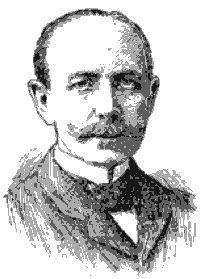
Portrait of Fredrika Bremer Fredrika Bremer,  Life in the Old World (1860)

“ Behold, then, what the Swiss have in common, from the Rhine to the Rhone, from Geneva to the wild valleys of ———.
“The annals of Switzerland have shown their vocation for independence.
“ ‘Helvetia,’ said our fathers, ‘is a confusion which God regulates.’ They taught us not to doubt God; their history, never to despair of our native land. The great nations subsist by their masses, we, by our faith and love.
”
Source: Wikisource

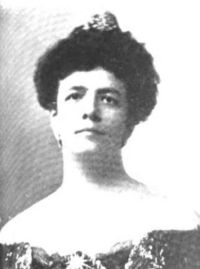
Portrait of Frank Fox Frank Fox,  Switzerland

“ Thus early in history the difference between Gallic Switzerland and Teutonic Switzerland begins to show itself.
Helvetia was much favoured by the Romans and became in effect the frontier province for the defence of the empire against the Germans. After a time the Helvetians were but little distinguishable from the Romans, adopting their27 manners and their faith. Wealthy Romans loved to make their summer resorts along the lake of Geneva, and Aventicum, the Helvetian capital, became a great Roman city.
”
Source: Gutenberg

Get perspective with Kwize: daily news enlightened by great literature