Indian mound

Definition and stakes

Sophie Lee Foster,  Revolutionary Reader: Reminiscences and Indian Legends

“ The Mound is fully seventy-five feet high and is almost five hundred feet in circumference. It is covered with large trees of oak and the same dense foliage of bamboo, pine and cedar as that which grows so profusely over the surrounding country as far as the eye can reach. The picturesque and fertile valleys below have now become a favorite place for pleasure seekers each spring, for picnic grounds and camping, and the Indian Mound cannot fail to [345] impress the most heedless as it rises mysteriously and majestic. ”

Source: Gutenberg

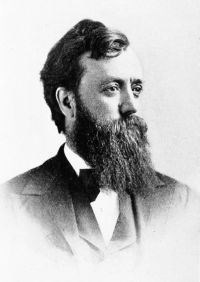
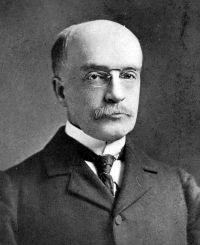
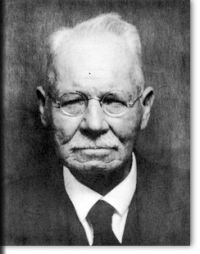
Portrait of George Bryce George Bryce,  The Mound Builders

“ NOT AN INDIAN RACE.
Whoever built the mounds had a faculty not possessed by modern Indians. Building instincts seem hereditary. The beaver and the musk rat build a house. Other creatures to whom a dwelling might be serviceable, such as the squirrel, obtain shelter in another way. And races have their distinctive tendencies likewise. It never occurs to an Indian to build a mound. From what has been already said as to the fertile localities in which the mounds are found we are justified in believing that their builders were agriculturists.
”
Source: Gutenberg

Popular Science Monthly (1883)

“ Were the Mound-Builders Indians?—Dr. Hoy read a paper at the American Association in support of the view that the mound-builders were the ancestors of our present Indian race. He held that the age of the mounds had been exaggerated. The growth of large trees upon them is not certain evidence of great age, for some trees grow very fast. It was also a mistake to suppose that the mound-builders could be distinguished from Indians by their being an agricultural people. The Indians have largely tilled the ground. ”
Source: Wikisource

Get perspective with Kwize: daily news enlightened by great literature