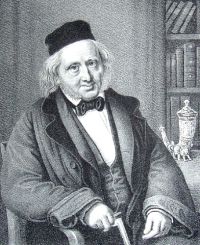
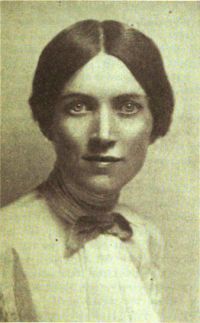
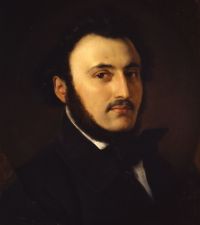
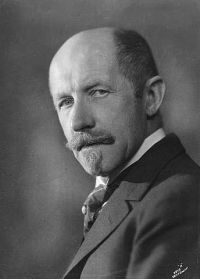
The literary concept of Ingeborg emerges as a multifaceted symbol, often representing themes of change, inner struggle, and emotional richness. Authors such as Elizabeth Von Arnim portray her as a figure caught between idealized beauty and intricate internal conflict, while Bernhard Severin Ingemann situates her within a noble, mythical framework, highlighting love and reconciliation.
In contrast, Israel Zangwill emphasizes her ordinariness and the cultural tensions she encounters. Across these works, Ingeborg functions as a lens through which to examine human fragility, societal norms, and the dynamic between personal and collective identity, revealing her as both a timeless archetype and a profoundly human figure.
 Elizabeth Von Arnim,
The Pastor's Wife
Elizabeth Von Arnim,
The Pastor's Wife