The literary concept of "Irma" appears as a recurring figure in 19th- and early 20th-century narratives, frequently representing curiosity, resilience, and the dynamic between personal development and external surroundings. Authors such as Helen Leah Reed depict Irma as an energetic traveler in Irma in Italy: A Travel Story, where her journeys reflect awe and self-reflection amidst Italian scenery.
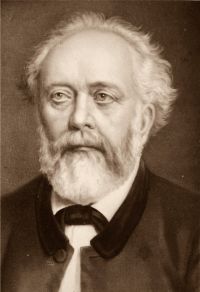
Berthold Auerbach, by contrast, places Irma within a more philosophical context, delving into her moral decisions and internal conflicts through symbolic settings such as mountain springs and harmful plants. These differing portrayals highlight Irma’s function as a vehicle for exploring human experiences, ranging from a longing for exploration to complex ethical challenges, across a variety of cultural and narrative contexts.
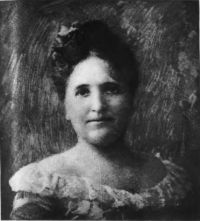 Helen Leah Reed,
Irma in Italy: A Travel Story
Helen Leah Reed,
Irma in Italy: A Travel Story