Iskender

Definition and stakes

Unknown,  The Book of the Thousand Nights and One Night (1901)

“ Iskender sent a man to them, to bid their king to him, but he refused to come, saying, ‘I have no occasion to him.’ So Iskender went to him and said to him, ‘How is it with you and what manner of folk are you? For I see with you nothing of gold or silver nor aught of the good things of the world.’ ‘None hath his fill of the goods of the world,’ answered the king. ‘Why do you dig your graves before the doors of your houses?’ asked Iskender. ‘That they may be the cynosure of our eyes,’ replied the king, ‘so we may look on them and still take thought unto death neither forget the world to come. ”
Source: Wikisource

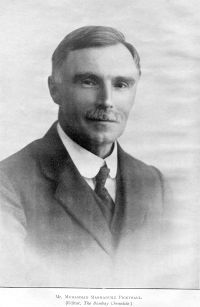
Portrait of Marmaduke William Pickthall Marmaduke William Pickthall,  The Valley of the Kings

“ At the moment of Iskender's entrance, a man named Khalîl was gravely playing English music-hall airs on a concertina, having acquired the art by instruction from an English sailor at Port Said.
Iskender advanced self-consciously, knowing himself the hero of the hour. And in the twinkling of an eye the music ceased; he was surrounded. Elias, a saffron sash at his waist, a scarlet dust-cloak streaming from his shoulders, flung an arm around his dear friend's neck, and cried:
"I saw thee! Thou art in luck, my dear; for thy man is of the noblest.
”
Source: Gutenberg

Portrait of Marmaduke William Pickthall Marmaduke William Pickthall,  The Valley of the Kings

“ Iskender waited till the little train was lost to sight, then followed miserably. His love was very ill, there was no doubt, and needed better tendance than Mahmûd, with the best intentions, could afford him. The muleteer could only, at the best, cook country food, while cleanliness and comfort were unknown to him. He could not make a bed or clean a riding-boot. Iskender clenched his teeth and swore it should not be. At all risks his sick lord must be made comfortable. So when, at sundown, he came in sight of the tent, he dismounted and tethered his horse out of sight, then walked up boldly. ”
Source: Gutenberg

Get perspective with Kwize: daily news enlightened by great literature