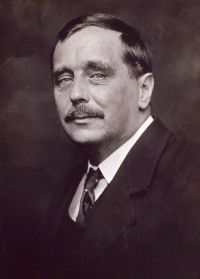
Jean-Marie Roland de La Platière

Definition and stakes

J. M. Wheeler,  A Biographical Dictionary of Freethinkers of All Ages and Nations

“ Paris, 17 March, 1754. Fond of reading, Plutarch’s Lives influenced her greatly. At a convent she noted the names of sceptics attached and read their writings, being, she says, in turn Jansenist, stoic, sceptic, atheist, and deist. The last she remained, though Miss Blind classes her with Agnostics. After her marriage in 1779 with Jean Marie Roland de la Platiêre (b. Lyons, 1732) , Madame Roland shared the tasks and studies of her husband, and the Revolution found her an ardent consort. On the appointment of her husband to the ministry, she became the centre of a Girondist circle. ”
Source: Gutenberg

Imbert de Saint-Amand,  Marie Antoinette and the Downfall of Royalty

“ Up to the time of the Revolution, Madame Roland's life glided peacefully away without any remarkable incidents. In the Close of Platière, which she calls her dovecot, she appears as a good housekeeper who looks after everything, from the cellar to the garret; {57} who plays the doctor among the poor villagers; who is delighted to find in nature a savor of frank and free rusticity. The life she leads is not merely honest, but edifying. ”
Source: Gutenberg

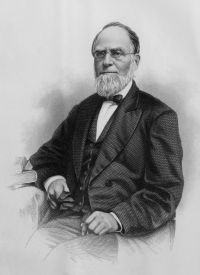
Portrait of John S. C. Abbott John S. C. Abbott,  Madame Roland, Makers of History

“ During the summer they retired to M. Roland's paternal estate, La Platière, a very beautiful rural retreat but a few miles from Lyons. The mother of M. Roland and an elder brother resided on the same estate. They constituted the ingredient of bitterness in their cup of joy. It seems that in this life it must ever be that each pleasure shall have its pain. No happiness can come unalloyed. La Platière possessed for Madame Roland all the essentials of an earthly paradise; but those trials which are the unvarying lot of fallen humanity obtained entrance there. ”
Source: Gutenberg

Get perspective with Kwize: daily news enlightened by great literature