The literary concept of "Johanna" emerges as a recurring figure in 19th- and early 20th-century fiction, often embodying themes of love, sacrifice, and inner conflict. Authors such as James Malcolm Rymer and Thomas Peckett Prest portray her as a heroine consumed by restless yearning, as in The String of Pearls, where her fear of lost love fills her days with "fearful doubts and anxieties.
" Claire von Glümer, in A Noble Name; or, Dönninghausen, contrasts this with a philosophical meditation on love’s endurance, while Elizabeth Von Arnim depicts Johanna as a figure of domestic strain, her presence unsettling fragile tranquility. These varied portrayals—ranging from Victorian romance to psychological depth—reveal Johanna as a symbol of emotional complexity, her struggles resonating across genres and cultural contexts.
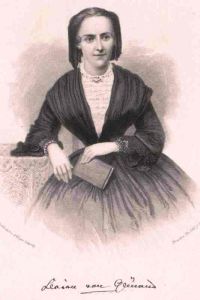 Claire von Glümer,
A Noble Name; or, Dönninghausen
Claire von Glümer,
A Noble Name; or, Dönninghausen