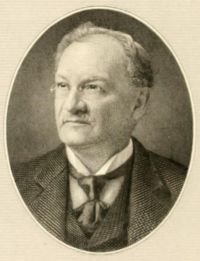
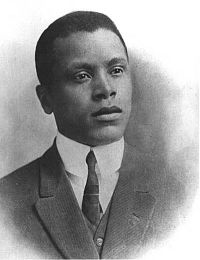
Johnstown, Pennsylvania, is a city defined by resilience and industrial importance, frequently examined in literature through its historical challenges and geographical significance. Authors such as Willis Fletcher Johnson and James Herbert Walker portray its struggles, from the destruction of the 1889 flood to the arrival of outsiders seeking refuge or entertainment.
Johnson underscores the community’s labor-centered identity and the role of railroads, while Walker conveys the chaos and human cost with vivid, urgent writing. Charles Morris places Johnstown within wider regional frameworks, emphasizing its strategic position. Collectively, these narratives construct a story of perseverance, change, and the dynamic between human aspirations and natural forces.