Kanawha Brant

Definition and stakes

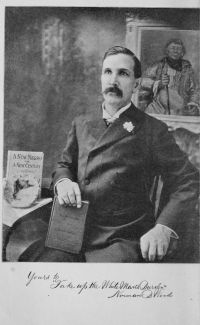
Portrait of Norman B. Wood Norman B. Wood,  Lives of Famous Indian Chiefs

“ He reported to General Arnold, who promptly released his brother, and gave him a full pardon.
Brant was again at Oquaga in 1778, the terror of the border. Women turned pale and children trembled at his very name. In the bitter animosity of the day no story of cruelty was too black to be laid upon Brant, the great chief of these savage warriors. Brant felt keenly the hatred with which he was regarded in afterlife among frontiersmen. The proud chief wished to be regarded as a gentleman in every respect.
”
Source: Gutenberg

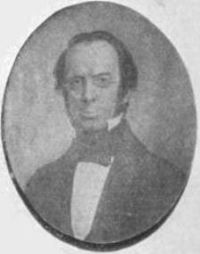
Portrait of James Ross Snowden James Ross Snowden,  The Cornplanter Memorial

“ When Brant, early in the year 1777, with his Mohawks, had organized a hostile expedition, in connection with some loyalists of that region, to attack Unadilla, in New York, on the Upper Susquehanna, an embassy of Sachems and war Chiefs of the Senecas and Cayugas repaired to Oghwago, to which place Brant had advanced, to remonstrate with him against further hostilities to the Americans. Brant yielded to their councils and protestations, and withdrew, with his Indians and refugees, into the Cayuga country. ”
Source: Gutenberg

William L. Stone,  Life of Joseph Brant—Thayendanegea…

“ Having descended the Delaware a sufficient distance, they crossed over to Oghkwaga, where they constructed floats, and sailed down the Susquehanna to the confluence of the Chemung, at which place their land-traveling again commenced. Being heavily encumbered with luggage, and withal tightly pinioned, the prisoners must have sunk by the way, at the rate the Indians traveled, and would probably have been tomahawked but for the indisposition of Brant, who, providentially for the prisoners, was attacked with fever and ague—so that every alternate day he was unable to travel. ”
Source: Gutenberg

Get perspective with Kwize: daily news enlightened by great literature