Kansas–Nebraska Act

Definition and stakes

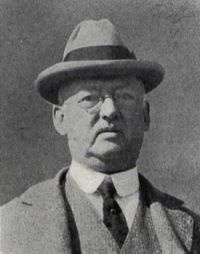
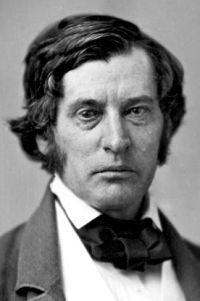
Portrait of Allen Johnson Allen Johnson,  Stephen A. Douglas: A Study in American Politics

“ The Kansas-Nebraska Act does no more than give the force of law to this elementary principle of self-government, declaring it to be 'the true intent and meaning of this act not to legislate slavery into any Territory or State, nor to exclude it therefrom, but to leave the people thereof perfectly free to form and regulate their domestic institutions in their own way, subject only to the Constitution of the United States.' How vain and illusory would any other principle prove in practice in regard to the Territories," etc. ”
Source: Gutenberg

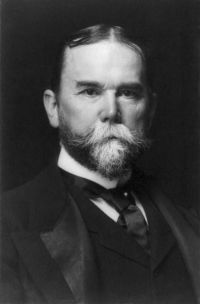
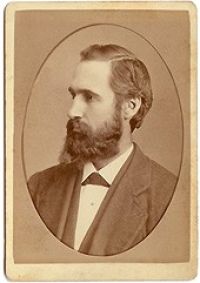
Portrait of Carl Schurz Carl Schurz,  Speeches of Carl Schurz (1865)

“ The Kansas Nebraska Act, involving the whole of our national domain, and seriously threatening our future growth and prosperity, went far to supply the deficiency; but when the slave power baffled in its aspirations by the election of 1860, rose up in rebellion, and thus disclosed its thoroughly anti-national tendency, the whole truth revealed itself to the eyes of the people. ”
Source: Wikisource

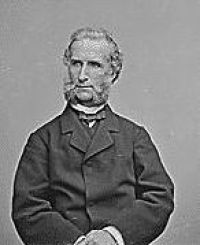
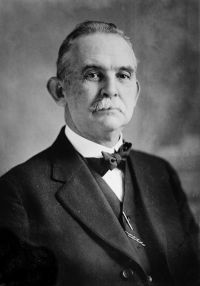
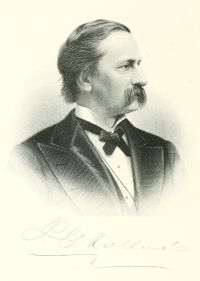
Portrait of Edward Channing Edward Channing,  A Short History of the United States for School Use

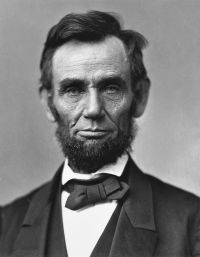
“ Growing to manhood he became a lawyer and served one term in Congress. The passage of the Kansas-Nebraska Act aroused his indignation as nothing had ever aroused it before. He denied that any man had the right to govern another man, be he white or be he black, without that man's consent. He thought that blood would surely be shed before the slavery question would be settled in Kansas, and the first shedding of blood would be the beginning of the end of the Union. ”
Source: Gutenberg

Get perspective with Kwize: daily news enlightened by great literature