Kanva

Definition and stakes

Sacred Books of the East (1900)

“ May the manly Agni, after he has received the oblations, become brilliant at the side of Kanva; may he neigh as a horse in battles. Take thy seat; thou art great. Shine forth, thou who most excellently repairest to the gods. O Agni, holy god, emit thy red, beautiful smoke, O glorious one! Thou whom the gods have placed here for Manu as the best performer of the sacrifice, O carrier of oblations, whom Kanva and Medhyâtithi, whom Vrishan and Upastuta have worshipped, the winner of prizes. ”
Source: Gutenberg

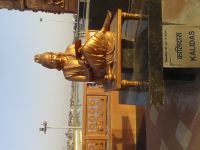
Portrait of Kalidasa Kalidasa,  Translations of Shakuntala and Other Works

“ But blessed, austere Kanva had divine discernment. He discovered her, and seeing the matter with celestial vision, he was pleased and said: "What you have done, dear, to-day, forgetting me and meeting a man, this does not break the law. A man who loves may marry secretly the woman who loves him without a ceremony; and Dushyanta is virtuous and noble, the best of men. Since you have found a loving husband, Shakuntala, a noble son shall be born to you, mighty in the world." ”
Source: Gutenberg

Portrait of Kalidasa Kalidasa,  Translations of Shakuntala and Other Works

“ The forest scenes are peopled with quiet hermit-folk. Far the most charming of these are Shakuntala's girl friends. The two are beautifully differentiated: Anusuya grave, sober; Priyamvada vivacious, saucy; yet wonderfully united in friendship and in devotion to Shakuntala, whom they feel to possess a deeper nature than theirs.
Kanva, the hermit-father, hardly required any change from the epic Kanva. It was a happy thought to place beside him the staid, motherly Gautami. The small boy in the last act has magically become an individual in Kalidasa's hands.
”
Source: Gutenberg

Get perspective with Kwize: daily news enlightened by great literature