Apsara

Definition and stakes

Donald A. Mackenzie,  Indian Myth and Legend

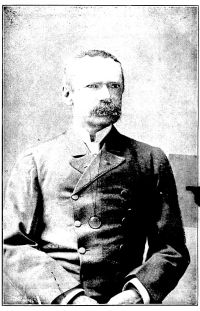
“ The Apsara dancing girls are “voluptuous and beautiful”, and inspire love in Paradise as well as upon earth. Their lovers include gods, Gandharvas, and mortals. Arjuna, the human son of Indra, who was transported in a Celestial chariot to Swarga over Suravithi, “the Milky Way”, was enchanted by the music and songs and dances of the Celestial elves and fairies. He followed bands of Gandharvas who were “skilled in music sacred and profane”, and he saw the bewitching Apsaras, including the notorious Menaka, “with eyes like lotus blooms, employed in enticing hearts” ”

Source: Gutenberg

Portrait of August Strindberg August Strindberg,  Zones of the Spirit: A Book of Thoughts

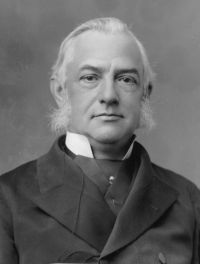
“ The Poet's Sacrifice.—The teacher continued: "This man's destiny reminds me of the Indian drama, Urvasi. A penitent who withdraws to solitude in order to purify his soul by renunciation, may finally attain such lofty spiritual heights that his power may become dangerous to the lower deities. In order to hinder such a penitent in his spiritual development, the god Indra sent an Apsara, a sort of celestial courtesan, in order to distract and seduce him. ”
Source: Gutenberg

The Mahabharata/Book 1: Adi Parva…

“ From the stomach of that fish came out a male and a female child of human form. The fishermen wondered much, and wending unto king Uparichara (for they were his subjects) told him all. They said, 'O king, these two beings of human shape have been found in the body of a fish!' The male child amongst the two was taken by Uparichara. That child afterwards became the virtuous and truthful monarch Matsya.
"After the birth of the twins, the Apsara herself became freed from her curse.
”
Source: Wikisource

Get perspective with Kwize: daily news enlightened by great literature