Avesta

Definition and stakes

Max Duncker,  The History of Antiquity, Vol. 5…

“ Another spirit which fights against the demons in the Avesta is called Çraosha. On the divine mountain stands "his triumphant dwelling with a thousand pillars, on the topmost height of the great mountain, illumined within with a light of its own, decked with stars without;" his chariot is drawn by four spotless horses, which are swifter than clouds, swifter than winds, swifter than storms, swifter than birds with strong wings. ”
Source: Gutenberg

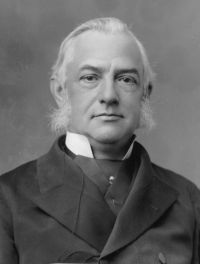
Portrait of F. Max Müller F. Max Müller,  Chips from a German Workshop, Volume 1

“ We may safely consider the Huzvaresh of the translations of the Avesta as the language of the Sassanian court and hierarchy. Works also like the Bundehesh and Minokhired belong by language and thought to the same period of mystic incubation, when India and Egypt, Babylonia and Greece, were sitting together and gossiping like crazy old women, chattering with toothless gums and silly brains about the dreams and joys of their youth, yet unable to recall one single thought or feeling with that vigour which once gave it life and truth. ”
Source: Gutenberg

Max Duncker,  The History of Antiquity, Vol. 5…

“ From our fragments of the Avesta we may assume that although, as is obvious, the precedence of the priests above the remaining orders was strongly marked, and they were especially denoted as "pure men," the limits of their political and social position were far more modest than those of the Brahmans. So far as we can see, the Avesta allots no special income to the priests beyond the camels, horses, or small cattle given to them by warriors and husbandmen in quittance for the purifications they have performed. ”
Source: Gutenberg

Get perspective with Kwize: daily news enlightened by great literature