Asura

Definition and stakes

The Mahabharata of Krishna-Dwaipayana Vyasa…

“ That Asura is now lying still in the observance of an ascetic penance of great austerity and, O king, the object he hath in view is sovereignty over the celestials as also of the three worlds. And, O king, having, obtained a boon from the Grandsire of all creatures, that Asura hath become incapable of being slain by the gods and Daityas and Rakshasas and Gandharvas. Slay though him, O king, and blessed be thou and let not thy heart turn to any other course. By slaying him thou wilt without doubt, achieve a great thing and thou wilt also obtain eternal and undying fame. ”
Source: Gutenberg

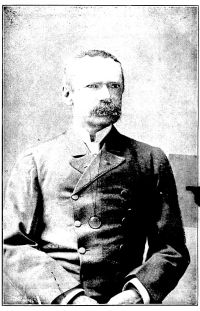
Portrait of Robert E. Howard Robert E. Howard,  The Hour of the Dragon

“ Conan looked about him curiously. He had never before visited the temple of Asura, had not certainly known that there was such a temple in Tarantia. The priests of the religion had a habit of hiding their temples in a remarkable fashion. The worship of Mitra was overwhelmingly predominant in the Hyborian nations, but the cult of Asura persisted, in spite of official ban and popular antagonism. ”
Source: Gutenberg

Elizabeth A. Reed,  Persian Literature, Ancient and Modern

“ The word Asura, although used in a good sense in the early songs of the Rig-veda, becomes, in the later portions of that literature, as well as in the Brāhmaṇas and Purāṇas, a term which is applied only to evil spirits; they are represented as the constant enemies of the Hindū gods, always making attacks upon the sacrifices offered by devotees. In the Avesta, Asura, in the form of Ahura, becomes a component part of Ahura Mazda, which is the name of God among the 405Pārsīs, whose faith is called “the Ahura religion” [289] in order to distinctively indicate its opposition to the Deva religion. ”
Source: Gutenberg

Get perspective with Kwize: daily news enlightened by great literature