Khanate of Khiva

Definition and stakes

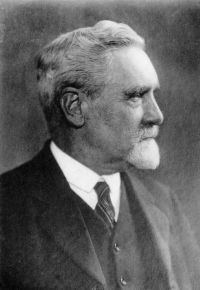
Sir E. Denison Ross The heart of Asia

We have a right to seek compensation for sacrifices and labours endured for more than a century. We have a right to attain a secure frontier by pushing our colonies up to the summit of the Himalayan range, the natural barrier between the Russian and English possessions. When this point has been reached, then only can we look calmly on the development of Great Britain’s empire.” The reduction of Khiva was a corollary of that of Bokhārā. The Khānate stretched northwards as a wedge into the newly acquired territory and dominated the lower reaches of the Amū Daryā.
Source: Gutenberg

Portrait of Ármin Vámbéry Ármin Vámbéry Árminius Vambéry, his life and adventures

I was asked by the Khan if I intended to remain a long time in Khiva, and whether I was provided with the necessary wherewithal for my journey. I answered to him that before continuing my journey I intended visiting the graves of all the saints reposing in the blessed soil of the Khanate, and that as to being provided with the needful travelling expenses, we dervishes did not trouble ourselves about such worldly trifles; the nefes (holy spirit) which was given to me by my pir (chief of the dervish order) on my journey would sustain life in me for four or five days without taking any food.
Source: Gutenberg

Charles Morris Historic Tales: The Romance of Reality…

Four years later war broke out with Khiva, and the khan was forced to give up some Russian prisoners he had seized. In 1847 a fort was built on the Sea of Aral, at the mouth of the Syr-Daria, whose waters formed the only safe avenue to the desert-girdled khanate of Khokand. Steamers were brought in sections from Sweden, being carried with great labor across the desert to the inland sea, on whose banks they were put together and launched. Armed with cannon, they quickly made their appearance on the navigable waters of the Syr.
Source: Gutenberg

Get perspective with Kwize: daily news enlightened by great literature