Ulama

Definition and stakes

Donald Campbell,  A journey over land to India

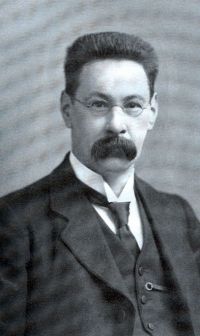
“ This body is the Ulama, composed of all the members of the Church and the Law, superior to any Nobility, jealous of their rights and privileges, and partly taken from the People, not by election, but by profession and talents.—In this body are comprised the Moulahs, the hereditary and perpetual guardians of the religion and laws of the Empire: they derive their authority as much as the Emperor from the Koran, and, when necessary, act with all the firmness resulting from a conviction of that authority; which they often demonstrate by opposing his measures, not only with impunity, but success. ”
Source: Gutenberg

Duncan Black MacDonald,  Development of Muslim Theology…

“ The theoretical position was that the Imam, or leader, must be elected by the Muslim community, and that position has never, theoretically, been abandoned. Each new Ottoman sovereign is solemnly elected by the Ulama, or canon lawyers and divines of Constantinople. His temporal sovereignty comes by blood; in bestowing this spiritual sovereignty the Ulama act as representatives of the People of Muhammad. Thus the theoretical position was liable to much modification in practice. The Muslim community resolves itself into the people of the capital ”
Source: Gutenberg

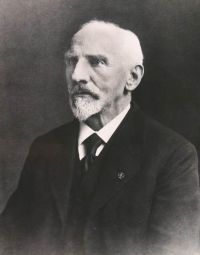
Portrait of Christiaan Snouck Hurgronje Christiaan Snouck Hurgronje,  The Achehnese (1906)

“ The mass of the people believe in the absolute truth of the ulamas' teaching, yet transgress it continually from their youth up. The ulamas are wont to conceal their aversion to such sins so long as forbidden acts and objects are not obtruded on their notice. The Achehnese even judge these transgressions more severely in themselves than in an ulama who oversteps the bounds of the law. ”
Source: Wikisource

Get perspective with Kwize: daily news enlightened by great literature