“ Here they were pleased to find Nawab Khan and the servant, whom he dismissed on their arrival, and himself guided them to an old tomb simpler in form than the rest, but more tenderly and beautifully clothed in moss and wild flowers than any. They sat down while the Nawab related the story of the maiden whose goodness it commemorated."Sangita," said he, "was a princess of incomparable beauty and surpassing gentleness. Her spirit was humble; and as the heavenly streams of wisdom and virtue seek lowly places, her nature shone every day with a purer lustre. ”
Nawab
Definition and stakes
The term "Nawab" refers to a historical title of honor and authority, frequently bestowed upon Muslim rulers or nobles in South Asia, especially during the Mughal and British colonial periods. Authors such as Meadows Taylor and Samuel Charles Hill portray the Nawab as a figure caught in political maneuvering, armed conflict, and cultural interaction, highlighting both his weaknesses and tactical intelligence.
C. A. Frazer and Bankim Chandra Chattopadhyay, on the other hand, present the Nawab as a moral or symbolic figure, crafting stories of righteousness, error, and inheritance. These differing depictions emphasize the Nawab’s multifaceted role as a link between tradition and the forces of colonial rule, illustrating his lasting importance in historical and literary accounts.
Quotes about “Nawab”
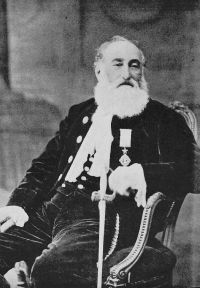 Meadows Taylor,
A Noble Queen: A Romance of Indian History…
Meadows Taylor,
A Noble Queen: A Romance of Indian History…
“ The new Nawab came from Beejapoor, and has taken possession, and the old Nawab is a prisoner—that's all.""And who is the new Nawab?""Nay, mother, we know not yet, for we have not seen him. But they say he is a God-fearing man; and so he appears to be, for when the Azàn was proclaimed, he spread his waistband, and knelt down and said his prayers in the little pavilion on the rock before the palace. And his men love him, and declare he is a true, kind man and a brave soldier, and that is the reason he was sent here.""It is a lonely place to come to," returned the old dame ”
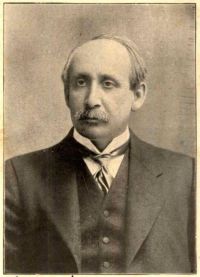 Samuel Charles Hill,
Three Frenchmen in Bengal
Samuel Charles Hill,
Three Frenchmen in Bengal
“ I had an idea that he might write to me in a quite different style, unknown to the English. I knew the new Nawab, whom I met at the time I was soliciting reinforcements to raise the siege of Chandernagore. He had not then taken up the idea of making himself Nawab. He appeared to me a very intelligent man, and much inclined to do us service, pitying us greatly for having to work with a man so cowardly and undecided as Siraj-ud-daula. ”
Related terms
Authors who wrote about “Nawab”
Samuel Charles Hill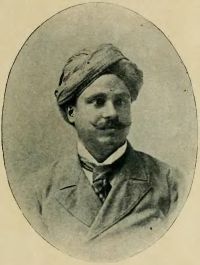 A. VadiveluMeadows TaylorAlladi Jagannatha Sastri
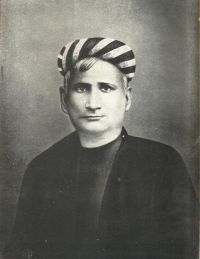 Bankim Chandra ChattopadhyayPrag Narain BhargavaJames Talboys WheelerM. Longworth DamesGlyn BarlowFrancis Bradley Bradley-BirtW. W. W. HumbleyVariousC. A. Frazer
 Venkata Ranga RaoEarl Frederick Sleigh Roberts RobertsSir Alexander BurnesRalph NevillWilliam Butler
 Alexander John ArbuthnotSydney C. Grier